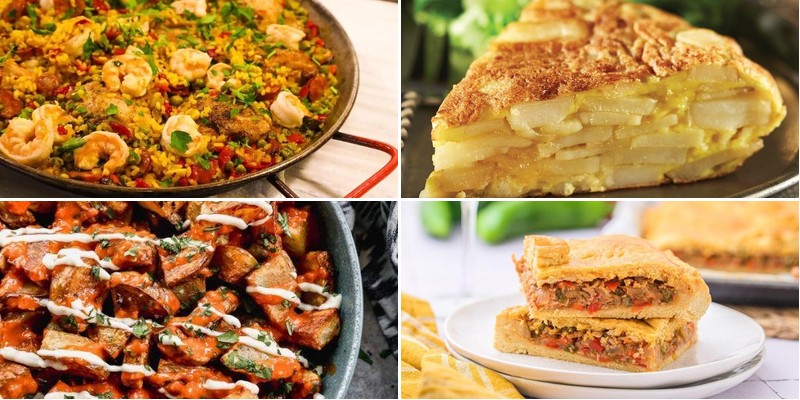
A vibrant culinary journey awaits as we explore 28 flavorful Spanish-language recipes that will transport your kitchen straight to the heart of Latin America and Spain. From quick weeknight dinners to festive comfort food, these authentic dishes are designed to delight your taste buds and inspire your inner home cook. Let’s dive into this delicious collection and discover your next favorite meal!
Paella Valenciana
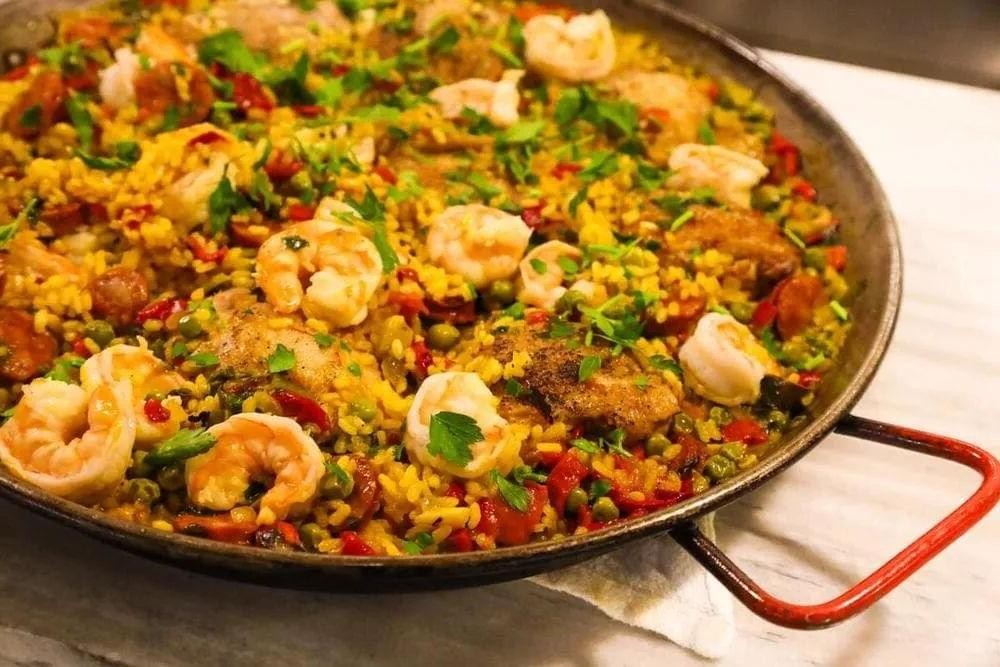
Savor the essence of Spain’s sun-drenched coast with Paella Valenciana, a vibrant symphony of saffron-infused rice, tender proteins, and garden-fresh vegetables. This iconic dish, traditionally cooked over an open flame in a wide, shallow pan, delivers a captivating socarrat—a prized, crispy bottom layer that is the hallmark of a perfect paella. Its golden hues and aromatic steam evoke the lively spirit of a Valencian fiesta, making it a showstopping centerpiece for any gathering.
Serving: 6 | Pre Time: 25 minutes | Cooking Time: 45 minutes
Ingredients
For the Broth and Aromatics
– 4 cups chicken broth
– 1 large pinch (about ½ tsp) saffron threads
– ¼ cup extra-virgin olive oil
– 1 medium yellow onion, finely diced
– 1 large red bell pepper, thinly sliced
– 4 cloves garlic, minced
For the Proteins
– 1 lb boneless, skinless chicken thighs, cut into 1-inch pieces
– ½ lb rabbit meat, cut into 1-inch pieces (or substitute with additional chicken)
– ½ lb large shrimp, peeled and deveined
– ½ lb mussels, scrubbed and debearded
For the Rice and Vegetables
– 2 cups short-grain paella rice (such as Bomba or Calasparra)
– 1 cup canned diced tomatoes, drained
– 1 cup frozen green beans, thawed
– 1 tsp smoked paprika
– 1 tsp salt
Instructions
1. In a small saucepan, heat the 4 cups of chicken broth over medium heat until simmering, then stir in the ½ tsp saffron threads and remove from heat to steep for 15 minutes, allowing the saffron to release its golden color and floral aroma—this infused broth is key for authentic flavor.
2. Heat the ¼ cup olive oil in a 15-inch paella pan or large, wide skillet over medium-high heat until shimmering, about 2 minutes.
3. Add the 1 lb chicken pieces and ½ lb rabbit pieces to the hot oil and cook, turning occasionally, until browned on all sides, 6–8 minutes total; remove with a slotted spoon and set aside on a plate.
4. Reduce heat to medium and add the diced onion and sliced bell pepper to the pan, sautéing until softened and lightly golden, about 5 minutes.
5. Stir in the minced garlic and cook for 1 minute until fragrant, being careful not to let it burn.
6. Add the 2 cups paella rice to the pan, stirring to coat each grain in the oil and toast lightly for 2 minutes, which helps the rice absorb liquid evenly later.
7. Pour in the saffron-infused broth, then add the diced tomatoes, green beans, smoked paprika, and salt, stirring once to combine.
8. Nestle the browned chicken and rabbit pieces into the rice mixture, arranging them evenly, and bring the liquid to a gentle boil over medium-high heat.
9. Reduce heat to low, cover the pan loosely with foil or a lid, and simmer without stirring for 20 minutes to allow the rice to cook through and develop a socarrat; listen for a faint crackling sound as a cue that the bottom is crisping.
10. Arrange the shrimp and mussels on top of the rice, hinge-side down for mussels, cover again, and cook for 8–10 minutes until the shrimp turn pink and opaque and the mussels open (discard any that remain closed).
11. Remove from heat and let the paella rest, uncovered, for 5 minutes to allow the flavors to meld and the rice to set slightly.
Nestled beneath its jewel-like toppings, the rice emerges fluffy yet distinct, each grain infused with the deep, earthy notes of saffron and paprika. Serve it directly from the pan at the table, garnished with lemon wedges for a bright squeeze, and pair with a crisp Spanish albariño to elevate this communal feast into a memorable culinary journey.
Gazpacho Andaluz
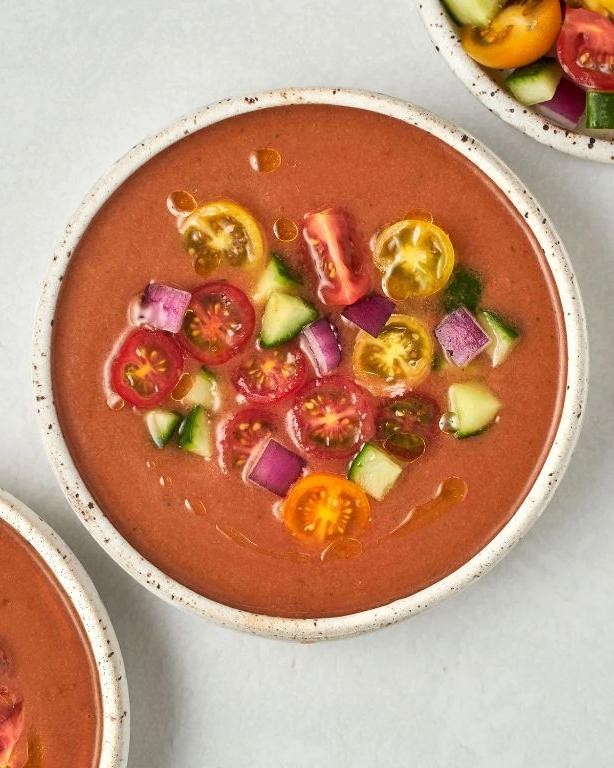
Beneath the summer sun’s warm embrace, few dishes capture the essence of seasonal refreshment as gracefully as Gazpacho Andaluz. This chilled Spanish soup transforms garden-fresh vegetables into a vibrant, silky-smooth elixir, offering a burst of cool flavor that is both elegant and effortlessly simple to prepare. It’s the perfect centerpiece for a light lunch or a sophisticated starter on a balmy evening.
Serving: 4 | Pre Time: 20 minutes | Cooking Time: 0 minutes
Ingredients
For the Soup Base
– 2 pounds ripe tomatoes, cored and roughly chopped
– 1 English cucumber, peeled and roughly chopped
– 1 medium green bell pepper, cored, seeded, and roughly chopped
– 1/2 small red onion, roughly chopped
– 2 garlic cloves, peeled
For Blending and Seasoning
– 1/4 cup extra-virgin olive oil
– 2 tablespoons sherry vinegar
– 1 teaspoon fine sea salt
– 1/2 teaspoon freshly ground black pepper
– 3/4 cup cold water
For Garnish
– 1/4 cup finely diced English cucumber
– 1/4 cup finely diced green bell pepper
Instructions
1. Place the 2 pounds of roughly chopped ripe tomatoes, 1 roughly chopped peeled English cucumber, 1 roughly chopped cored and seeded green bell pepper, 1/2 roughly chopped small red onion, and 2 peeled garlic cloves into a large blender jar.
2. Add 1/4 cup of extra-virgin olive oil, 2 tablespoons of sherry vinegar, 1 teaspoon of fine sea salt, and 1/2 teaspoon of freshly ground black pepper to the blender jar.
3. Pour 3/4 cup of cold water into the blender jar to help facilitate blending.
4. Secure the blender lid tightly and blend the mixture on high speed for 90 seconds, or until completely smooth and no visible chunks remain.
5. Pour the blended soup through a fine-mesh strainer into a large bowl, using a rubber spatula to press the liquid through and discard any remaining solids for an ultra-smooth texture.
6. Transfer the strained soup to a large airtight container and refrigerate it, uncovered, for 30 minutes to allow the flavors to meld, then cover and chill for at least 2 more hours, or until thoroughly cold.
7. While the soup chills, prepare the garnish by finely dicing 1/4 cup of English cucumber and 1/4 cup of green bell pepper, then refrigerate them separately.
8. To serve, ladle the chilled soup into four bowls and top each with an equal portion of the finely diced cucumber and bell pepper garnish.
Meticulously strained, the soup achieves a luxuriously velvety texture that carries the bright, balanced flavors of sweet tomato, crisp cucumber, and peppery garlic. For a creative presentation, serve it in chilled glasses as a sippable appetizer, or accompany it with grilled shrimp skewers for a more substantial meal. The clean, refreshing finish makes it an ideal palate-cleanser during a multi-course dinner.
Tortilla Española

Nestled at the heart of Spanish tapas culture, the Tortilla Española is a deceptively simple yet profoundly satisfying dish. This classic potato and onion omelet, with its golden, custardy interior and crisp-edged exterior, transforms humble ingredients into a rustic masterpiece perfect for any occasion, from a casual brunch to an elegant appetizer spread.
Serving: 4 | Pre Time: 15 minutes | Cooking Time: 35 minutes
Ingredients
For the potato-onion mixture:
– 1 1/2 lbs Yukon Gold potatoes, peeled and thinly sliced into 1/8-inch rounds
– 1 large yellow onion, thinly sliced
– 1 cup extra-virgin olive oil
For the egg base:
– 6 large eggs
– 1 tsp kosher salt
– 1/4 tsp freshly ground black pepper
Instructions
1. In a 10-inch nonstick skillet, combine the sliced potatoes, sliced onion, and 1 cup of olive oil over medium heat.
2. Cook the mixture, gently stirring occasionally, for 20-25 minutes until the potatoes are tender but not browned and the onions are translucent.
3. While cooking, use a slotted spoon to occasionally press the potatoes to ensure even cooking and prevent sticking.
4. In a large bowl, whisk together 6 large eggs, 1 tsp kosher salt, and 1/4 tsp black pepper until well combined and slightly frothy.
5. Using a slotted spoon, transfer the cooked potato-onion mixture from the skillet to the bowl with the eggs, draining excess oil back into the skillet.
6. Gently fold the potato-onion mixture into the eggs until evenly coated, being careful not to break the potato slices.
7. Heat 2 tbsp of the reserved oil in the same skillet over medium heat until shimmering, about 1 minute.
8. Pour the egg-potato mixture into the skillet, spreading it into an even layer with a spatula.
9. Cook undisturbed for 4-5 minutes until the edges are set and the bottom is golden brown.
10. Place a large plate over the skillet and, using oven mitts, carefully invert the tortilla onto the plate.
11. Slide the tortilla back into the skillet, uncooked side down, and cook for another 3-4 minutes until golden brown and the center is just set.
12. Transfer the tortilla to a cutting board and let it rest for 5 minutes before slicing.
Finished with a rest, the tortilla reveals a creamy, layered interior where the sweet onions meld with the tender potatoes, all bound by rich, set eggs. For a creative twist, serve it warm or at room temperature with a dollop of garlic aioli or a side of marinated olives, allowing its rustic elegance to shine.
Pisto Manchego
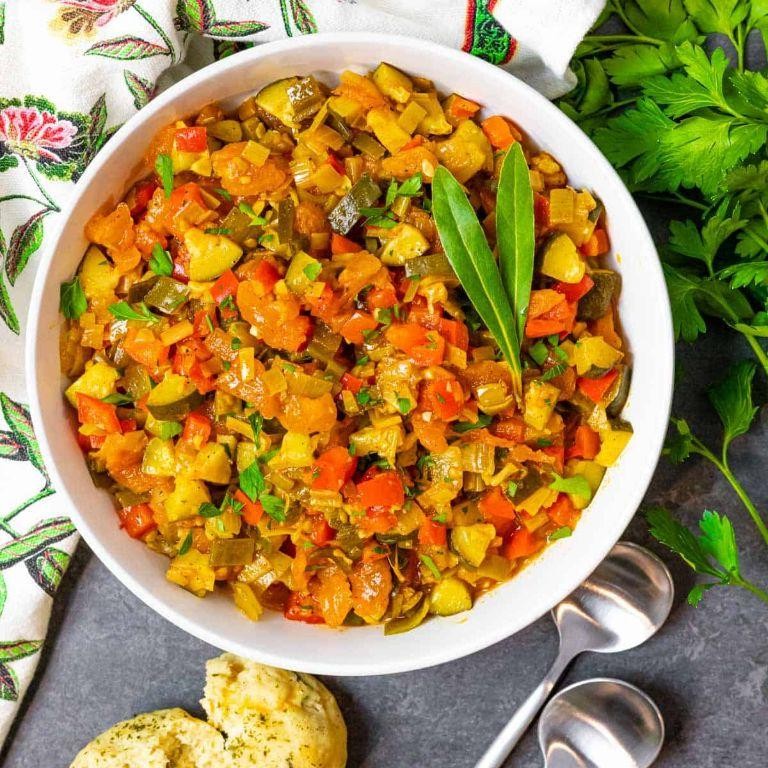
Savoring the rustic charm of Spain’s La Mancha region, Pisto Manchego is a vibrant vegetable medley that transforms humble garden produce into a comforting, deeply flavorful stew. This traditional dish, often compared to ratatouille, celebrates the simplicity of summer vegetables slowly cooked to sweet, tender perfection. It’s a versatile centerpiece that can be served warm, at room temperature, or even chilled, making it ideal for elegant entertaining or cozy family meals.
Serving: 4 | Pre Time: 20 minutes | Cooking Time: 45 minutes
Ingredients
– For the vegetable base:
– 2 tablespoons extra-virgin olive oil
– 1 large yellow onion, finely diced
– 2 medium green bell peppers, seeded and diced into 1/2-inch pieces
– 2 medium zucchini, diced into 1/2-inch pieces
– 2 medium eggplant, peeled and diced into 1/2-inch pieces
– For the tomato sauce:
– 4 large ripe tomatoes, peeled, seeded, and chopped (or one 28-ounce can crushed tomatoes)
– 3 cloves garlic, minced
– 1 teaspoon smoked paprika
– 1/2 teaspoon salt
– 1/4 teaspoon freshly ground black pepper
Instructions
1. Heat 2 tablespoons of extra-virgin olive oil in a large, heavy-bottomed pot or Dutch oven over medium heat until shimmering, about 2 minutes.
2. Add 1 large finely diced yellow onion and cook, stirring frequently, until translucent and softened, about 8 minutes.
3. Stir in 2 diced green bell peppers and cook until they begin to soften, about 5 minutes.
4. Add 2 diced zucchini and 2 diced eggplant to the pot, stirring to combine with the onions and peppers.
5. Cook the vegetable mixture, stirring occasionally, until the eggplant begins to soften and absorb the oil, about 10 minutes.
6. Tip: For deeper flavor, let the vegetables develop a light golden color on the edges without burning.
7. Push the vegetables to the sides of the pot, creating a well in the center.
8. Add 3 minced garlic cloves to the center and cook until fragrant, about 30 seconds, then mix into the vegetables.
9. Stir in 4 chopped tomatoes (or crushed tomatoes), 1 teaspoon smoked paprika, 1/2 teaspoon salt, and 1/4 teaspoon black pepper.
10. Reduce the heat to low, cover the pot, and simmer gently for 25 minutes, stirring occasionally.
11. Tip: If the mixture seems dry, add 1/4 cup of water or vegetable broth to prevent sticking.
12. After 25 minutes, remove the lid and continue simmering uncovered for 10 minutes to allow excess liquid to evaporate and the flavors to concentrate.
13. Tip: The stew is ready when the vegetables are tender but still hold their shape, and the sauce has thickened slightly.
14. Remove from heat and let rest for 5 minutes before serving.
The finished Pisto Manchego offers a delightful contrast of textures, with tender yet distinct vegetables suspended in a rich, garlicky tomato sauce infused with smoky paprika. Serve it warm as a hearty vegetarian main with crusty bread, topped with a fried egg for a traditional touch, or use it as a flavorful side dish alongside grilled meats or fish.
Patatas Bravas

Luminous in its simplicity yet bold in flavor, Patatas Bravas is the quintessential Spanish tapa that transforms humble potatoes into a dish of fiery elegance. Crisp, golden cubes are bathed in a smoky, piquant sauce, creating a textural symphony that is both rustic and refined. This recipe captures that vibrant spirit, perfect for sharing over lively conversation.
Serving: 4 | Pre Time: 15 minutes | Cooking Time: 30 minutes
Ingredients
For the potatoes:
– 2 pounds Yukon Gold potatoes, peeled and cut into 1-inch cubes
– 1/4 cup extra-virgin olive oil
– 1 teaspoon kosher salt
– 1/2 teaspoon freshly ground black pepper
For the bravas sauce:
– 2 tablespoons extra-virgin olive oil
– 1 small yellow onion, finely diced
– 3 cloves garlic, minced
– 1 (14.5-ounce) can crushed tomatoes
– 1 teaspoon smoked paprika
– 1/2 teaspoon cayenne pepper
– 1/2 teaspoon granulated sugar
– 1/2 teaspoon kosher salt
For serving:
– 2 tablespoons chopped fresh parsley
Instructions
1. Preheat your oven to 425°F (218°C) and line a large baking sheet with parchment paper.
2. In a large bowl, toss the cubed Yukon Gold potatoes with 1/4 cup olive oil, 1 teaspoon salt, and 1/2 teaspoon black pepper until evenly coated.
3. Spread the potatoes in a single layer on the prepared baking sheet, ensuring they are not touching for maximum crispness.
4. Roast the potatoes for 25-30 minutes, turning them halfway through, until they are deeply golden and crisp on all edges.
5. While the potatoes roast, heat 2 tablespoons olive oil in a medium saucepan over medium heat.
6. Add the finely diced yellow onion and cook for 5-7 minutes, stirring occasionally, until softened and translucent.
7. Stir in the minced garlic and cook for 1 minute until fragrant, being careful not to let it brown.
8. Pour in the can of crushed tomatoes, then add 1 teaspoon smoked paprika, 1/2 teaspoon cayenne pepper, 1/2 teaspoon sugar, and 1/2 teaspoon salt.
9. Bring the sauce to a simmer, then reduce the heat to low and cook uncovered for 15 minutes, stirring occasionally, until it thickens slightly.
10. Remove the roasted potatoes from the oven and transfer them to a serving dish.
11. Spoon the warm bravas sauce generously over the hot potatoes.
12. Garnish with 2 tablespoons of chopped fresh parsley for a bright, herbal finish.
Radiant with a smoky heat, the sauce clings to each crisp potato cube, offering a delightful contrast between the tender interior and crunchy exterior. For a creative twist, serve them alongside grilled chorizo or top with a softly fried egg, allowing the yolk to mingle with the bold flavors.
Churros con Chocolate

Savor the crisp, golden allure of churros con chocolate, a Spanish classic that transforms humble ingredients into an indulgent treat. These ridged pastries, fried to a perfect crunch and dusted with cinnamon sugar, are traditionally paired with a rich, velvety chocolate sauce for dipping—a combination that delights both the palate and the senses. Whether enjoyed as a festive dessert or a cozy afternoon snack, this recipe brings a touch of European café culture to your kitchen with straightforward techniques and irresistible results.
Serving: 6 | Pre Time: 20 minutes | Cooking Time: 15 minutes
Ingredients
For the churros dough:
– 1 cup water
– 4 tablespoons unsalted butter
– 1 tablespoon granulated sugar
– 1/4 teaspoon salt
– 1 cup all-purpose flour
– 2 large eggs
– 1 quart vegetable oil for frying
For the cinnamon sugar coating:
– 1/2 cup granulated sugar
– 1 teaspoon ground cinnamon
For the chocolate sauce:
– 1 cup heavy cream
– 8 ounces semisweet chocolate, chopped
– 1/2 teaspoon vanilla extract
Instructions
1. In a medium saucepan over medium heat, combine 1 cup water, 4 tablespoons unsalted butter, 1 tablespoon granulated sugar, and 1/4 teaspoon salt, and bring to a boil, stirring occasionally until the butter melts completely.
2. Remove the saucepan from the heat and immediately add 1 cup all-purpose flour all at once, stirring vigorously with a wooden spoon until a smooth dough forms and pulls away from the sides of the pan, about 1 minute. Tip: Work quickly to prevent the flour from clumping and ensure an even texture.
3. Transfer the dough to a mixing bowl and let it cool for 5 minutes to avoid cooking the eggs.
4. Add 2 large eggs one at a time to the cooled dough, beating well after each addition with an electric mixer on medium speed until fully incorporated and the dough is glossy and sticky, about 2 minutes total.
5. Spoon the dough into a piping bag fitted with a large star tip (such as a 1/2-inch tip) and set aside.
6. In a shallow bowl, whisk together 1/2 cup granulated sugar and 1 teaspoon ground cinnamon for the coating, and set it aside.
7. In a heavy-bottomed pot or deep fryer, heat 1 quart vegetable oil to 375°F over medium-high heat, using a candy thermometer to monitor the temperature accurately. Tip: Maintain the oil temperature within 5°F to ensure the churros fry evenly without absorbing excess oil.
8. Pipe 4-inch strips of dough directly into the hot oil, cutting them with kitchen scissors, and fry in batches of 3-4 churros at a time to avoid overcrowding.
9. Fry the churros for 2-3 minutes per batch, turning occasionally with tongs, until they are golden brown and crisp on all sides.
10. Remove the fried churros with a slotted spoon and drain them on a paper towel-lined plate for 30 seconds to absorb excess oil.
11. While still warm, roll the churros in the cinnamon sugar mixture until evenly coated, and transfer them to a serving platter.
12. For the chocolate sauce, heat 1 cup heavy cream in a small saucepan over medium heat until it just begins to simmer, about 3-4 minutes, then remove from the heat.
13. Add 8 ounces chopped semisweet chocolate and 1/2 teaspoon vanilla extract to the hot cream, letting it sit undisturbed for 1 minute to melt, then whisk until smooth and glossy. Tip: Use high-quality chocolate for a deeper, more complex flavor in the sauce.
14. Serve the churros immediately with the warm chocolate sauce for dipping.
Oozing with warmth, these churros offer a satisfying contrast between their crunchy exterior and tender interior, while the chocolate sauce adds a luscious, bittersweet note that complements the cinnamon sugar perfectly. For a creative twist, try drizzling the sauce over the churros and topping them with a sprinkle of sea salt or a dollop of whipped cream to elevate this classic into a show-stopping dessert.
Pulpo a la Gallega
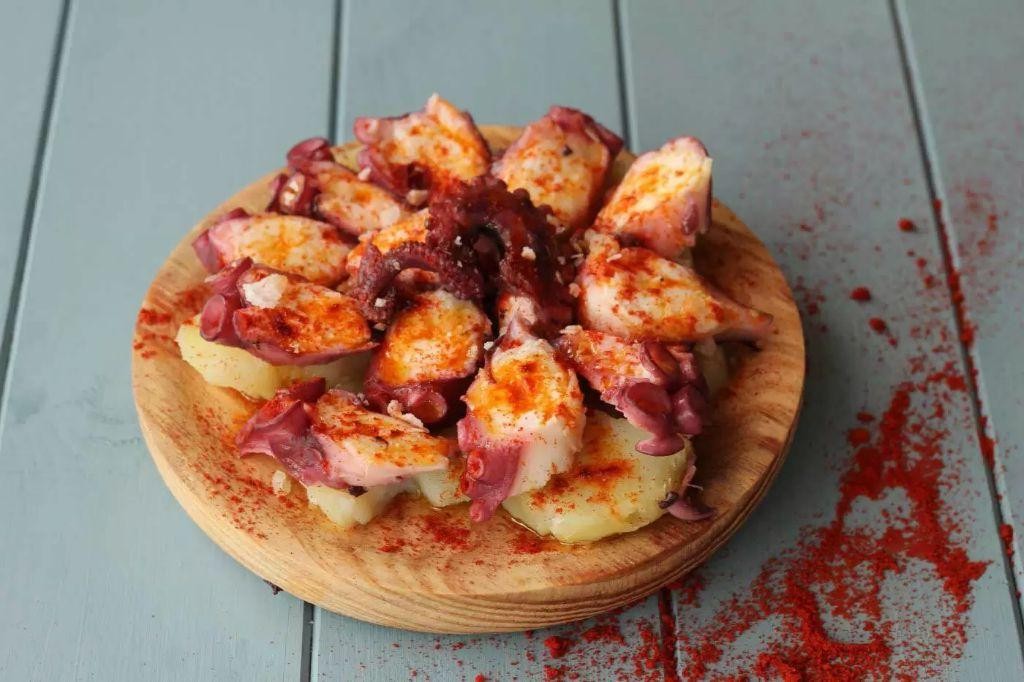
Crafted in the coastal kitchens of Galicia, Spain, Pulpo a la Gallega is a deceptively simple masterpiece where tender octopus meets smoky paprika and golden potatoes. This classic tapa, also known as *pulpo á feira*, celebrates the purity of its ingredients through a time-honored boiling and finishing technique. Its elegant presentation on a wooden board makes it a stunning centerpiece for any gathering.
Serving: 4 | Pre Time: 15 minutes | Cooking Time: 60 minutes
Ingredients
For Boiling the Octopus
– 2 pounds cleaned octopus, thawed if frozen
– 1 large yellow onion, quartered
– 2 bay leaves
– 1 tablespoon coarse sea salt
For the Potatoes and Finishing
– 1.5 pounds Yukon Gold potatoes, peeled and cut into 1-inch rounds
– 3 tablespoons extra-virgin olive oil, divided
– 1.5 teaspoons sweet smoked paprika (pimentón de la Vera)
– 1/2 teaspoon flaky sea salt (such as Maldon)
Instructions
1. Place the octopus, onion quarters, bay leaves, and 1 tablespoon coarse sea salt in a large stockpot. Cover completely with cold water. 2. Bring the pot to a boil over high heat, then immediately reduce to a gentle simmer. 3. Simmer the octopus uncovered for 45-60 minutes, until a fork pierces the thickest part of a tentacle easily. Tip: To tenderize the octopus further, use the ‘scare’ method: dip it in and out of the boiling water three times before the final simmer. 4. While the octopus simmers, place the potato rounds in a medium saucepan and cover with cold water by 1 inch. Bring to a boil over high heat. 5. Once boiling, reduce heat to maintain a simmer and cook potatoes for 15-20 minutes, until fork-tender but not falling apart. Drain and set aside. 6. Carefully transfer the cooked octopus to a cutting board using tongs. Let it rest for 5 minutes to allow the juices to settle. 7. Using kitchen shears or a sharp knife, cut the tentacles and head into 1/2-inch thick slices. Tip: Cutting on a slight diagonal creates beautiful, elegant pieces for serving. 8. Arrange the warm potato rounds on a large wooden board or serving platter. Drizzle with 2 tablespoons of the olive oil. 9. Arrange the sliced octopus over and around the potatoes. 10. Drizzle the remaining 1 tablespoon of olive oil evenly over the octopus. 11. Sprinkle the sweet smoked paprika and flaky sea salt evenly over the entire dish. Tip: For the best flavor, add the paprika just before serving to preserve its vibrant color and aroma.
Offering a sublime contrast, the octopus is remarkably tender with a subtle chew, while the potatoes provide a creamy, yielding base. The smoky paprika and rich olive oil meld into a glossy, deeply savory coating that is both rustic and refined. For a creative twist, serve individual portions on small, warm slate tiles garnished with micro-cilantro.
Fabada Asturiana
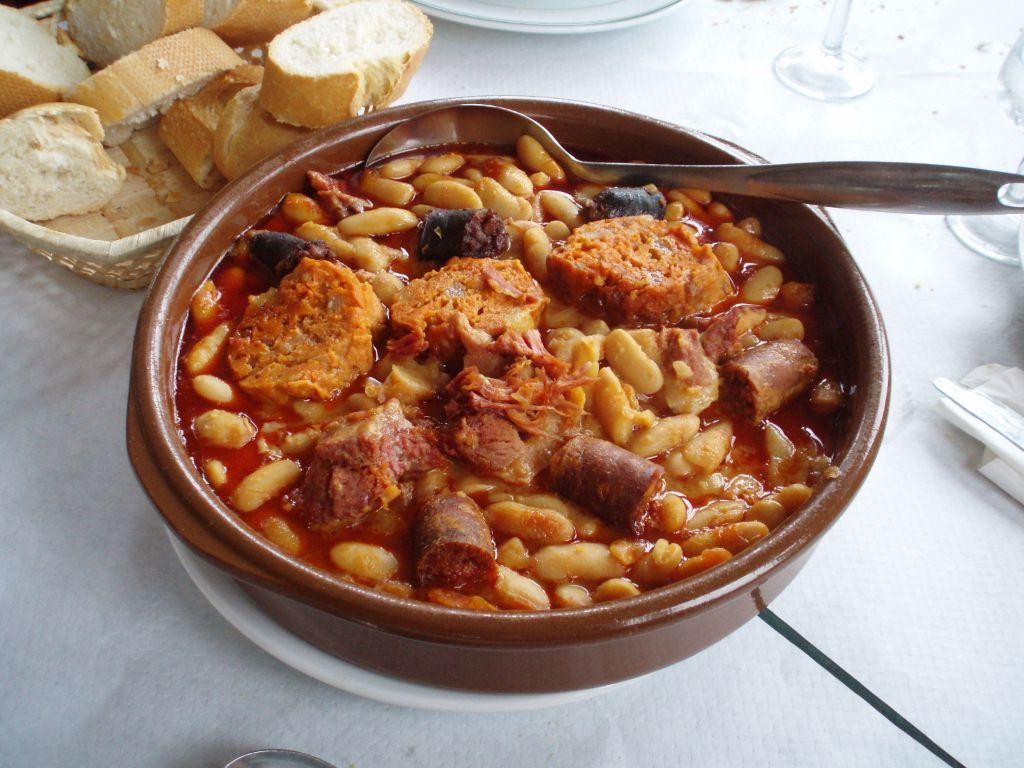
Meticulously crafted in the misty hills of northern Spain, Fabada Asturiana is a soul-warming white bean stew that transforms humble ingredients into a luxurious, deeply satisfying meal. This classic dish, built upon a foundation of creamy beans, rich pork, and smoky chorizo, simmers into a harmonious blend where every spoonful offers comfort and complexity. Perfect for a chilly evening, it invites you to slow down and savor the robust flavors of tradition.
Serving: 6 | Pre Time: 15 minutes | Cooking Time: 2 hours 30 minutes
Ingredients
For the Bean Soak and Base
– 1 pound dried large white beans (such as fabes or butter beans)
– 8 cups cold water
For the Meats and Aromatics
– 1/4 cup extra-virgin olive oil
– 1 large yellow onion, finely chopped
– 4 cloves garlic, minced
– 8 ounces Spanish chorizo, sliced into 1/2-inch rounds
– 8 ounces smoked pork belly (tocino), cut into 1-inch pieces
– 1 smoked ham hock (about 1 pound)
For Simmering and Seasoning
– 6 cups chicken broth
– 1 teaspoon smoked paprika
– 1 bay leaf
– 1/2 teaspoon salt
Instructions
1. Place the dried white beans in a large bowl and cover with 8 cups of cold water; let soak at room temperature for at least 8 hours or overnight, then drain and rinse. (Tip: Soaking reduces cooking time and helps beans cook evenly.)
2. In a large Dutch oven or heavy pot, heat the olive oil over medium heat until shimmering, about 2 minutes.
3. Add the chopped onion and cook, stirring occasionally, until softened and translucent, 5–7 minutes.
4. Add the minced garlic and cook until fragrant, 1 minute.
5. Add the sliced chorizo, pork belly pieces, and ham hock to the pot; cook, stirring occasionally, until the meats are lightly browned, 5–8 minutes.
6. Pour in the drained beans, chicken broth, smoked paprika, bay leaf, and salt.
7. Bring the mixture to a boil over high heat, then immediately reduce the heat to low to maintain a gentle simmer.
8. Cover the pot partially with a lid and simmer until the beans are tender and the stew has thickened, 2–2 1/2 hours, stirring occasionally to prevent sticking. (Tip: Avoid boiling vigorously, as it can break the beans and make the stew cloudy.)
9. Remove the ham hock and bay leaf; discard the bay leaf, then shred the meat from the ham hock and return it to the pot.
10. Let the stew rest off the heat for 10 minutes to allow the flavors to meld. (Tip: Resting helps the stew thicken slightly and enhances its depth.)
Generously ladle this stew into bowls, where the beans should be creamy yet intact, enveloped in a silky, paprika-infused broth. The chorizo and pork belly lend a smoky richness that balances the subtle sweetness of the onions, creating a hearty dish best enjoyed with crusty bread to soak up every last drop. For a creative twist, top with a fried egg or serve alongside a crisp green salad to cut through the richness.
Empanadas Gallegas

Hailing from the verdant hills of Galicia, these savory Spanish empanadas offer a rustic yet refined taste of tradition, with a flaky crust enveloping a rich, savory filling that warms both kitchen and soul. Perfect for gatherings or a comforting meal, they bring a touch of European elegance to any table, inviting you to savor each buttery, flavorful bite as a delightful escape from the everyday. Let’s embark on crafting this culinary gem, where simple ingredients transform into a dish that’s as hearty as it is sophisticated.
Serving: 8 | Pre Time: 45 minutes | Cooking Time: 25 minutes
Ingredients
For the dough:
– 2 1/2 cups all-purpose flour
– 1/2 cup unsalted butter, cold and cubed
– 1/4 cup water, cold
– 1/2 tsp salt
For the filling:
– 1 lb ground beef
– 1 medium onion, finely chopped
– 2 cloves garlic, minced
– 1/2 cup tomato sauce
– 1/4 cup green olives, sliced
– 1 tbsp olive oil
– 1/2 tsp smoked paprika
– 1/4 tsp black pepper
Instructions
1. In a large bowl, combine 2 1/2 cups all-purpose flour and 1/2 tsp salt. Add 1/2 cup cold, cubed unsalted butter, and use a pastry cutter or your fingers to work it into the flour until the mixture resembles coarse crumbs. Tip: Keep the butter cold to ensure a flaky crust.
2. Gradually add 1/4 cup cold water to the flour mixture, stirring with a fork until a dough forms. Knead gently on a floured surface for 2 minutes until smooth, then wrap in plastic and refrigerate for 30 minutes to chill.
3. While the dough chills, heat 1 tbsp olive oil in a skillet over medium heat. Add 1 finely chopped medium onion and 2 minced cloves garlic, and sauté for 5 minutes until softened and fragrant.
4. Add 1 lb ground beef to the skillet, breaking it up with a spoon, and cook for 8 minutes until browned and no pink remains. Tip: Drain any excess fat for a lighter filling.
5. Stir in 1/2 cup tomato sauce, 1/4 cup sliced green olives, 1/2 tsp smoked paprika, and 1/4 tsp black pepper. Cook for 5 minutes until the mixture thickens, then remove from heat and let cool slightly.
6. Preheat the oven to 375°F and line a baking sheet with parchment paper. Roll out the chilled dough on a floured surface to 1/8-inch thickness, then cut into 8 circles using a 5-inch round cutter.
7. Place a heaping 2 tbsp of the cooled filling in the center of each dough circle. Fold the dough over to form a half-moon shape, press the edges to seal, and crimp with a fork to secure. Tip: Avoid overfilling to prevent leaks during baking.
8. Arrange the empanadas on the prepared baking sheet, brush the tops lightly with water, and bake at 375°F for 20-25 minutes until golden brown and crisp.
9. Remove from the oven and let cool on a wire rack for 5 minutes before serving. The empanadas emerge with a golden, flaky crust that shatters delicately with each bite, revealing a savory, spiced filling that’s both robust and comforting. Serve them warm alongside a crisp green salad or with a dollop of aioli for a creamy contrast, making them ideal for picnics or elegant appetizers that capture the essence of Galician hospitality.
Calamares a la Romana
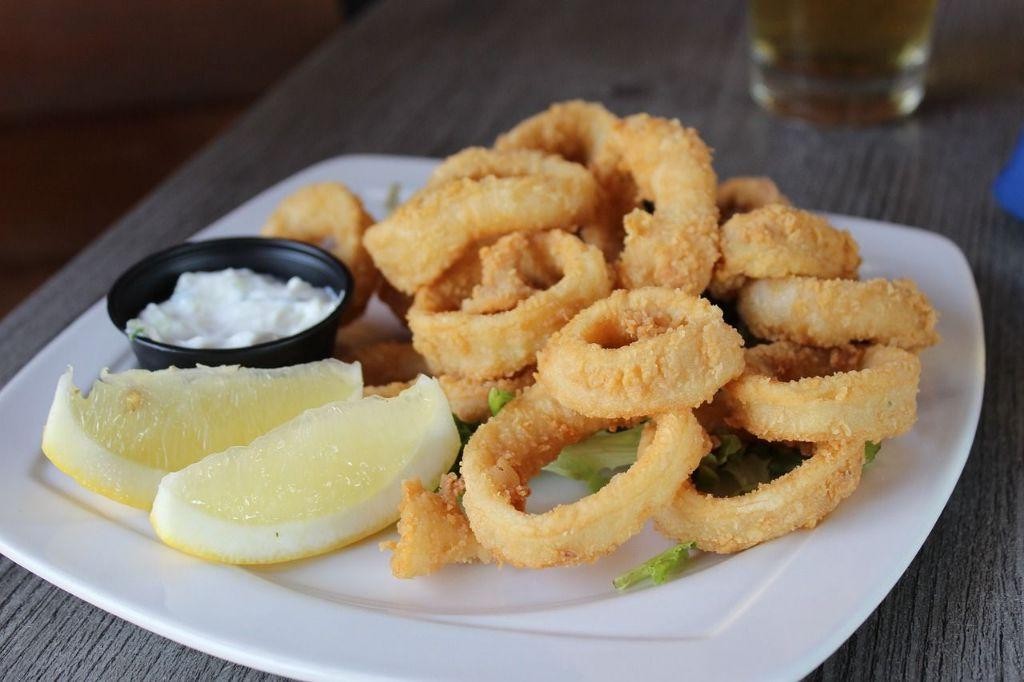
Crisp, golden, and irresistibly tender, Calamares a la Romana offers a taste of coastal Spanish elegance with its light, airy batter encasing sweet, briny squid. This classic tapa, often enjoyed with a squeeze of lemon and a glass of chilled white wine, transforms simple ingredients into a celebratory dish perfect for sharing. Mastering its delicate crust and quick cooking time yields a delightful contrast of textures that feels both rustic and refined.
Serving: 4 | Pre Time: 20 minutes | Cooking Time: 10 minutes
Ingredients
For the squid:
– 1 pound fresh squid, cleaned, bodies cut into 1/2-inch rings, tentacles left whole
– 1 cup whole milk
– 1 teaspoon kosher salt
For the batter:
– 1 cup all-purpose flour
– 1/2 cup cornstarch
– 1 teaspoon baking powder
– 1/2 teaspoon smoked paprika
– 1/4 teaspoon freshly ground black pepper
– 1 cup cold club soda
For frying and serving:
– 4 cups vegetable oil, for frying
– 1 lemon, cut into wedges
Instructions
1. Place the squid rings and tentacles in a medium bowl, pour the milk over them, and sprinkle with kosher salt.
2. Let the squid soak in the milk mixture for 15 minutes at room temperature to tenderize it.
3. In a large mixing bowl, whisk together the all-purpose flour, cornstarch, baking powder, smoked paprika, and black pepper until fully combined.
4. Gradually pour the cold club soda into the dry ingredients, whisking gently just until a lumpy batter forms; do not overmix to keep it light.
5. Drain the squid from the milk and pat it completely dry with paper towels to ensure the batter adheres properly.
6. In a heavy-bottomed pot or Dutch oven, heat the vegetable oil to 375°F, using a deep-fry thermometer for accuracy.
7. Working in small batches to avoid crowding, dip each piece of dried squid into the batter, letting excess drip off.
8. Carefully lower the battered squid into the hot oil and fry for 2 to 3 minutes, until golden brown and crisp.
9. Remove the fried squid with a slotted spoon and drain on a wire rack set over a baking sheet to keep it crispy.
10. Repeat the dipping and frying process with the remaining squid, allowing the oil to return to 375°F between batches.
11. Serve the calamares immediately on a platter, garnished with lemon wedges for squeezing.
Savor the contrast of the shatteringly crisp exterior against the succulent, sweet squid within, a texture that delights with every bite. For a creative twist, serve these golden morsels alongside a zesty aioli or over a bed of frisée salad dressed lightly with olive oil and sherry vinegar, allowing the flavors to shine in both casual and elegant settings.
Gambas al Ajillo
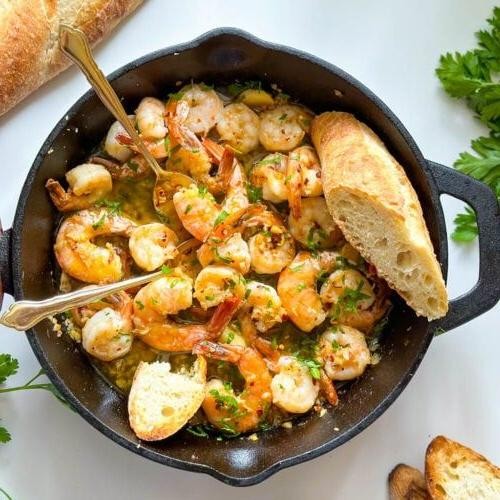
While the simplest dishes often shine the brightest, few can rival the elegant simplicity of Gambas al Ajillo, where plump, sweet shrimp are bathed in a sizzling, fragrant garlic oil that whispers of Spanish sun and convivial gatherings. This classic tapa, deceptively easy to prepare, transforms a handful of humble ingredients into a luxurious, shareable feast that is as perfect for a weeknight indulgence as it is for impressing dinner guests.
Serving: 4 | Pre Time: 10 minutes | Cooking Time: 10 minutes
Ingredients
For the Shrimp and Aromatics
– 1 pound large shrimp (16/20 count), peeled and deveined, tails on
– 1 teaspoon kosher salt
– 1/2 teaspoon freshly ground black pepper
For the Garlic Oil Sauce
– 1/2 cup extra-virgin olive oil
– 8 large garlic cloves, thinly sliced
– 1 teaspoon crushed red pepper flakes
– 2 tablespoons dry sherry
– 2 tablespoons fresh lemon juice
– 2 tablespoons finely chopped fresh parsley
Instructions
1. Pat the shrimp completely dry with paper towels, then season evenly on all sides with the kosher salt and black pepper. Tip: Drying the shrimp ensures a beautiful sear instead of steaming.
2. Heat the extra-virgin olive oil in a large skillet or Spanish cazuela over medium-low heat until it shimmers, about 2 minutes.
3. Add the thinly sliced garlic and crushed red pepper flakes to the oil. Cook, stirring constantly, until the garlic is fragrant and just begins to turn a pale golden color, about 2-3 minutes; do not let it brown.
4. Increase the heat to medium-high. Carefully add the seasoned shrimp to the hot oil in a single layer. Cook without moving for 1 minute to develop a sear.
5. Flip each shrimp and cook for an additional 1 minute, or until the shrimp are just opaque and pink throughout. Tip: Shrimp cook very quickly; overcooking will make them tough and rubbery.
6. Remove the skillet from the heat. Immediately pour in the dry sherry and fresh lemon juice; the liquid will sizzle and reduce slightly.
7. Stir in the finely chopped fresh parsley until just combined. Tip: Adding the parsley off the heat preserves its vibrant color and fresh flavor.
8. Transfer the shrimp and all of the fragrant garlic oil directly to a warm serving dish.
Heady with the perfume of toasted garlic and a gentle warmth from chili, the shrimp emerge tender and succulent, each bite coated in a luxurious, emulsified oil that begs to be sopped up with crusty bread. For a creative twist, serve the sizzling shrimp over a bed of creamy polenta or toss the entire contents with freshly cooked linguine for an instant, restaurant-worthy pasta dish.
Cocido Madrileño
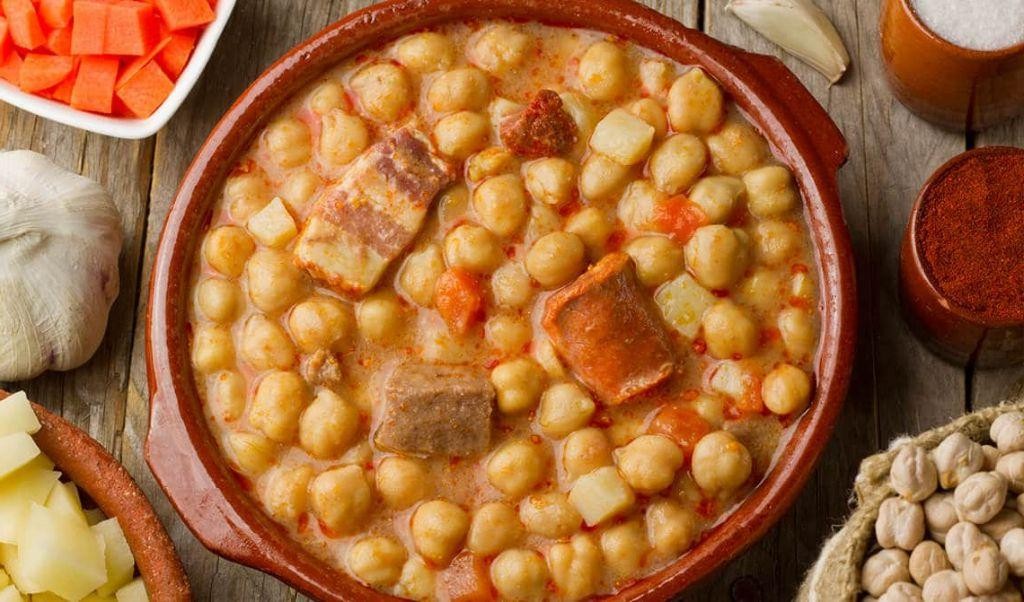
On a brisk winter day, few dishes offer the same soul-warming comfort as Cocido Madrileño, a traditional Spanish stew that transforms humble ingredients into a rich, multi-layered feast. Originating from Madrid, this one-pot wonder is a celebration of textures and deep, savory flavors, perfect for gathering loved ones around the table. Its elegant simplicity belies a depth of taste that unfolds with every spoonful, making it an ideal centerpiece for a leisurely weekend meal.
Serving: 6 | Pre Time: 30 minutes | Cooking Time: 180 minutes
Ingredients
For the Broth and Meat:
– 1 (2-pound) beef chuck roast, cut into 2-inch cubes
– 1 pound pork shoulder, cut into 2-inch cubes
– 1 whole chicken (about 4 pounds), cut into 8 pieces
– 1 ham hock (about 1 pound)
– 1 Spanish chorizo sausage (about 8 ounces), sliced into 1/2-inch rounds
– 1 morcilla (blood sausage, about 8 ounces)
– 1 large yellow onion, peeled and quartered
– 2 large carrots, peeled and cut into 2-inch pieces
– 4 cloves garlic, peeled and smashed
– 2 bay leaves
– 1 tablespoon black peppercorns
– 3 quarts cold water
– 1 tablespoon kosher salt
For the Chickpeas and Vegetables:
– 1 pound dried chickpeas, soaked overnight in 3 quarts cold water
– 1 small head green cabbage, cored and cut into 8 wedges
– 4 medium Yukon Gold potatoes, peeled and halved
– 2 large leeks, white and light green parts only, cleaned and cut into 2-inch pieces
Instructions
1. Drain the soaked chickpeas and rinse them under cold running water for 1 minute to remove any loose skins.
2. Place the beef chuck, pork shoulder, chicken pieces, ham hock, chorizo, morcilla, onion, carrots, garlic, bay leaves, and peppercorns into a large 12-quart stockpot.
3. Pour the 3 quarts of cold water over the meats and aromatics, ensuring everything is fully submerged.
4. Set the pot over high heat and bring the liquid to a rolling boil, which should take about 15 minutes.
5. Once boiling, immediately reduce the heat to low to maintain a gentle simmer, with small bubbles just breaking the surface.
6. Skim off any grayish foam that rises to the top during the first 30 minutes of simmering using a slotted spoon to ensure a clear broth.
7. Add the drained chickpeas and 1 tablespoon of kosher salt to the pot, stirring gently to combine.
8. Partially cover the pot with a lid, leaving a 1-inch gap for steam to escape, and simmer for 2 hours, checking occasionally to ensure the heat remains consistent.
9. After 2 hours, add the cabbage wedges, halved potatoes, and leek pieces to the pot, submerging them in the broth.
10. Continue simmering, partially covered, for 1 more hour, or until the potatoes are fork-tender and the chickpeas have softened completely but still hold their shape.
11. Carefully remove all the meat pieces, chickpeas, and vegetables from the broth using a slotted spoon and tongs, transferring them to a large serving platter.
12. Strain the remaining broth through a fine-mesh sieve into a clean pot, discarding the solids, and keep it warm over low heat.
13. To serve, ladle the hot broth into individual bowls as a first course, followed by the platter of meats, chickpeas, and vegetables for the main course.
Complex yet comforting, the tender meats and creamy chickpeas are beautifully balanced by the sweet, softened vegetables, all united by a deeply savory, aromatic broth. Consider serving the strained broth over fine noodles as a separate soup course, or present the platter family-style with crusty bread for soaking up every last drop of flavor.
Tarta de Santiago
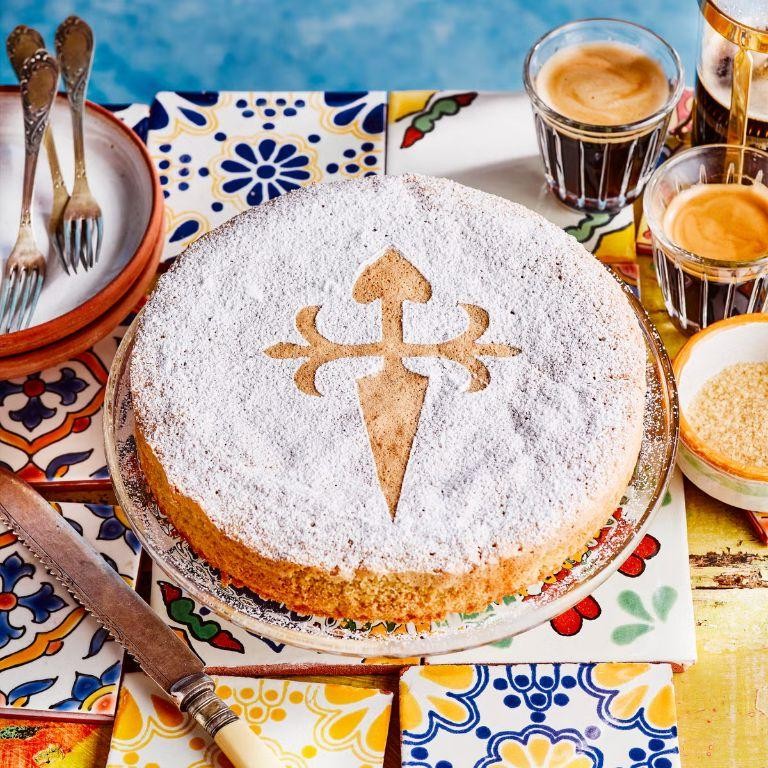
Beneath its deceptively simple appearance lies a dessert of profound history and flavor—the Tarta de Santiago, a Spanish almond cake traditionally marked with the cross of Saint James. This gluten-free marvel from Galicia captivates with its moist, dense crumb and rich nuttiness, offering an elegant finale that feels both rustic and refined. Perfect for afternoon tea or a sophisticated dinner party, it’s a testament to how few ingredients can yield extraordinary results.
Serving: 8 | Pre Time: 20 minutes | Cooking Time: 40 minutes
Ingredients
For the Cake
– 2 cups almond flour
– 1 cup granulated sugar
– 4 large eggs
– Zest of 1 lemon
– 1 teaspoon vanilla extract
– 1/4 teaspoon salt
For Dusting
– Powdered sugar, for serving
Instructions
1. Preheat your oven to 350°F and grease an 8-inch round cake pan, then line it with parchment paper for easy removal.
2. In a large mixing bowl, combine 2 cups almond flour, 1 cup granulated sugar, and 1/4 teaspoon salt, whisking until evenly blended.
3. Add 4 large eggs one at a time to the dry ingredients, mixing thoroughly after each addition until the batter is smooth.
4. Stir in the zest of 1 lemon and 1 teaspoon vanilla extract, ensuring they are fully incorporated into the batter.
5. Pour the batter into the prepared pan, using a spatula to spread it evenly and tap the pan gently on the counter to remove air bubbles.
6. Bake at 350°F for 35–40 minutes, or until the top is golden brown and a toothpick inserted into the center comes out clean.
7. Let the cake cool in the pan for 10 minutes, then transfer it to a wire rack to cool completely to room temperature.
8. Once cooled, dust the top generously with powdered sugar, optionally using a stencil to create the traditional cross of Saint James design.
Generously dusted with powdered sugar, this cake boasts a tender, moist texture that melts on the tongue, with the almond flour providing a subtly sweet, nutty depth enhanced by bright lemon zest. Serve it slightly warm with a dollop of whipped cream or alongside a glass of sherry for a truly authentic experience.
Crema Catalana
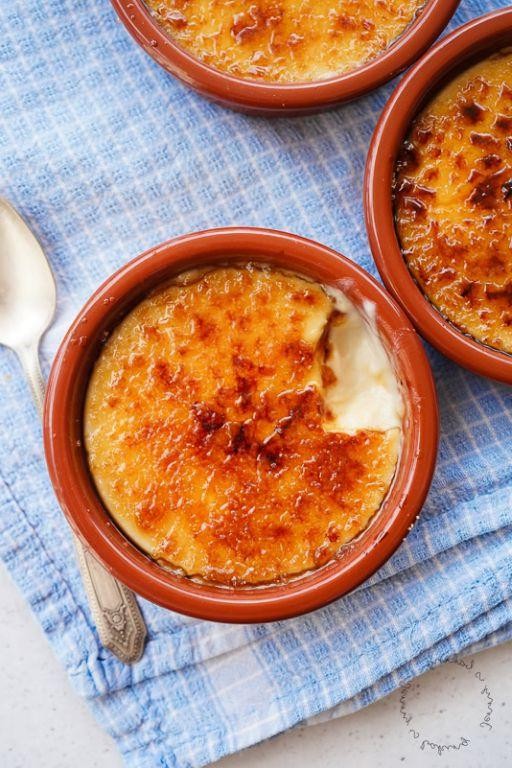
Nestled among Spain’s most cherished desserts, Crema Catalana offers a velvety custard crowned with a crisp, caramelized sugar crust—a sublime contrast that delights both palate and eye. This elegant Catalan classic, often compared to crème brûlée but distinguished by its subtle citrus and cinnamon notes, transforms simple ingredients into a showstopping finale perfect for intimate gatherings or festive occasions. Its timeless appeal lies in the harmonious balance of creamy richness and the satisfying crack of torched sugar, making it an unforgettable treat to master at home.
Serving: 6 | Pre Time: 15 minutes | Cooking Time: 25 minutes
Ingredients
For the custard:
– 4 cups whole milk
– 1 cup granulated sugar, divided
– 6 large egg yolks
– 2 tablespoons cornstarch
– 1 cinnamon stick
– Zest of 1 lemon
– Zest of 1 orange
For the topping:
– 6 tablespoons granulated sugar
Instructions
1. In a medium saucepan over medium heat, combine 4 cups whole milk, 1 cinnamon stick, lemon zest, and orange zest; heat until steaming but not boiling, about 5 minutes, then remove from heat and let steep for 10 minutes to infuse flavors.
2. In a large bowl, whisk together 6 large egg yolks, ½ cup granulated sugar, and 2 tablespoons cornstarch until pale and smooth, about 2 minutes.
3. Slowly pour the warm milk through a fine-mesh strainer into the egg mixture, whisking constantly to prevent curdling.
4. Return the mixture to the saucepan and cook over medium-low heat, stirring continuously with a wooden spoon, until it thickens to a custard consistency that coats the back of the spoon, about 8–10 minutes; do not let it boil.
5. Immediately pour the custard into six 6-ounce ramekins, tap gently to remove air bubbles, and let cool to room temperature for 30 minutes.
6. Cover the ramekins with plastic wrap, pressing it directly onto the custard surface to prevent a skin from forming, and refrigerate for at least 4 hours or overnight until fully set.
7. Just before serving, evenly sprinkle 1 tablespoon granulated sugar over each custard, shaking to coat the surface in a thin, even layer.
8. Use a kitchen torch to caramelize the sugar by holding it 2–3 inches above each ramekin, moving in slow circles until the sugar melts and turns a deep amber color, about 1–2 minutes per ramekin; allow the sugar to harden for 1 minute before serving.
Luxuriously smooth and infused with warm citrus aromas, the custard yields to a spoon with a delicate creaminess that contrasts beautifully with the glass-like caramel shards. For a creative twist, garnish with fresh berries or a drizzle of orange liqueur to enhance its vibrant notes, making each bite a celebration of texture and flavor.
Conclusion
Whether you’re craving paella or churros, this roundup brings Spain’s vibrant flavors right to your kitchen. We hope these 28 recipes inspire your next delicious adventure. Give one a try, leave a comment with your favorite, and don’t forget to share the love on Pinterest!