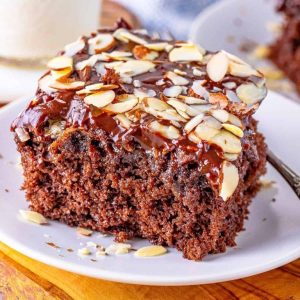
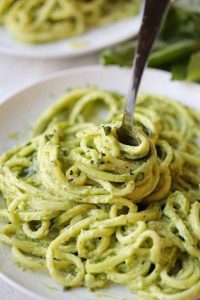
Did you know those leafy greens attached to your kohlrabi are completely edible and packed with flavor? Often discarded, these versatile leaves can transform your cooking with their mild, slightly peppery taste. From quick sautés to hearty soups, we’ve gathered 35 creative ways to turn this overlooked ingredient into delicious meals. Get ready to discover how kohlrabi leaves can become your new favorite kitchen staple!
Kohlrabi Leaf Stir-Fry with Garlic and Ginger
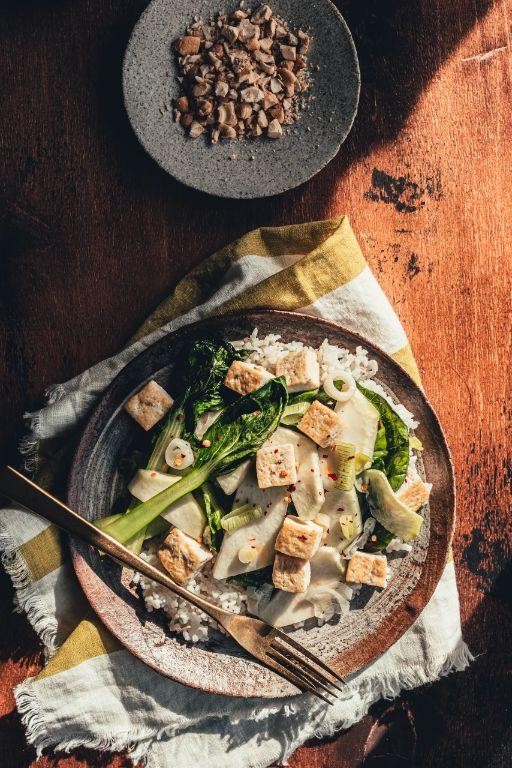
Beneath the crisp autumn air, there’s something quietly comforting about transforming overlooked greens into a simple, nourishing meal. This kohlrabi leaf stir-fry feels like a gentle discovery, where garlic and ginger weave warmth into each tender bite. It’s the kind of dish that asks for little but gives back so much, a humble reminder of how beauty often lies in the simplest of things.
2
servings10
minutes7
minutesIngredients
– 1 large bunch kohlrabi leaves, stems removed and leaves roughly chopped (about 4 cups packed)
– 2 tablespoons olive oil (or any neutral oil like avocado or grapeseed)
– 3 cloves garlic, minced
– 1 tablespoon fresh ginger, grated
– 1/4 teaspoon red pepper flakes (optional, for a subtle heat)
– 1 tablespoon soy sauce (or tamari for gluten-free)
– 1 teaspoon rice vinegar
– 1/2 teaspoon sesame oil
Instructions
1. Wash the kohlrabi leaves thoroughly in a large bowl of cold water to remove any grit, then spin dry in a salad spinner or pat gently with a clean kitchen towel.
2. Heat the olive oil in a large skillet or wok over medium-high heat until it shimmers, about 1–2 minutes.
3. Add the minced garlic and grated ginger to the hot oil, stirring constantly with a wooden spoon for 30–45 seconds until fragrant but not browned.
4. Tip: To prevent burning, keep the garlic and ginger moving—this builds a flavorful base without bitterness.
5. Sprinkle in the red pepper flakes if using, and stir for 10 seconds to toast lightly.
6. Add the chopped kohlrabi leaves to the skillet, tossing quickly with tongs to coat in the aromatics.
7. Stir-fry for 3–4 minutes, turning the leaves occasionally, until they wilt and turn bright green.
8. Tip: Don’t overcrowd the pan—work in batches if needed for even cooking and to avoid steaming.
9. Drizzle the soy sauce and rice vinegar over the leaves, tossing to distribute evenly.
10. Continue cooking for 1–2 minutes until the leaves are tender but still have a slight bite.
11. Remove the skillet from the heat and stir in the sesame oil.
12. Tip: Adding sesame oil off the heat preserves its delicate nutty flavor.
13. Transfer the stir-fry to a serving plate immediately.
Zesty and verdant, this stir-fry offers a tender-crisp texture with a gentle garlic-ginger warmth that lingers. Serve it over steamed jasmine rice or fold it into soft scrambled eggs for a cozy breakfast twist, letting its simplicity shine through every forkful.
Spicy Kohlrabi Leaf and Lentil Soup

Venturing into the garden this afternoon, I found myself drawn to the often-overlooked kohlrabi leaves, their vibrant green edges whispering promises of earthy depth and gentle spice. There’s something quietly comforting about transforming these humble ingredients into a nourishing soup that warms both hands and heart on this crisp autumn day.
3
servings15
minutes41
minutesIngredients
– 2 tbsp olive oil (or any neutral oil)
– 1 medium yellow onion, diced
– 2 cloves garlic, minced
– 1 cup brown lentils, rinsed
– 4 cups vegetable broth
– 3 cups packed kohlrabi leaves, tough stems removed
– 1 tsp smoked paprika
– ½ tsp red pepper flakes (adjust for preferred spice level)
– Salt to season throughout cooking
Instructions
1. Heat olive oil in a large pot over medium heat until it shimmers.
2. Add diced onion and cook for 5-7 minutes until translucent and fragrant.
3. Stir in minced garlic and cook for 1 minute until golden but not browned.
4. Add rinsed lentils to the pot, stirring to coat them in the oil and aromatics.
5. Pour in vegetable broth, scraping any browned bits from the bottom of the pot.
6. Bring the soup to a boil, then reduce heat to maintain a gentle simmer.
7. Cover the pot and cook for 25 minutes until lentils are tender but not mushy.
8. Stir in smoked paprika and red pepper flakes, distributing evenly through the broth.
9. Add kohlrabi leaves in batches, wilting each addition before adding more.
10. Simmer uncovered for 8-10 minutes until leaves are tender and bright green.
11. Season with salt gradually, tasting after each addition until balanced.
Kohlrabi leaves soften into silken ribbons while lentils provide earthy substance, creating a broth that carries both warmth from the paprika and subtle heat from the pepper flakes. This soup tastes particularly lovely when served with crusty bread for dipping, or you might try topping it with a dollop of cool yogurt to contrast the gentle spice.
Savory Kohlrabi Leaf Pesto Pasta
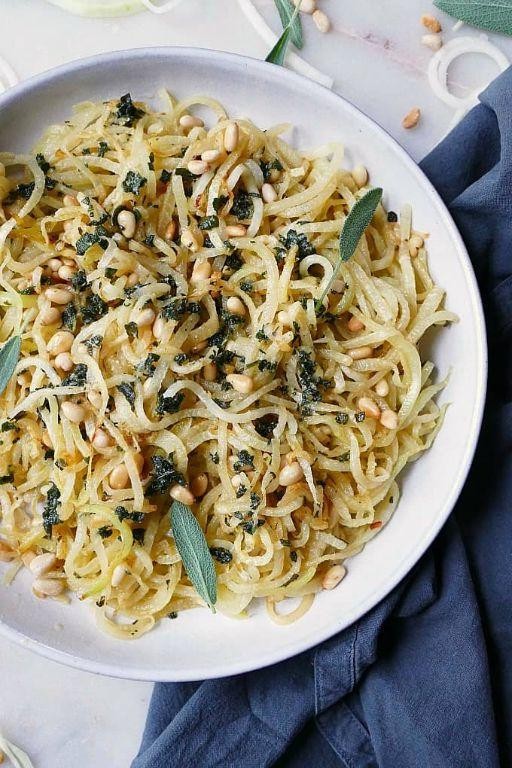
Sometimes the most comforting meals come from the quiet moments in the kitchen, when you’re left alone with your thoughts and the gentle rhythm of cooking. This savory kohlrabi leaf pesto pasta transforms what might otherwise be discarded into something wonderfully nourishing, a simple dish that feels both resourceful and deeply satisfying. It’s the kind of meal that reminds you how much flavor can be found in unexpected places.
5
servings15
minutes15
minutesIngredients
– 8 ounces dried pasta (such as linguine or fettuccine)
– 2 cups packed kohlrabi leaves, stems removed (washed thoroughly and patted dry)
– 1/2 cup raw walnuts (toasted for deeper flavor)
– 1/3 cup extra virgin olive oil (or any neutral oil)
– 1/4 cup grated Parmesan cheese (plus more for serving)
– 2 cloves garlic (peeled and roughly chopped)
– 1 tablespoon fresh lemon juice (adjust for brightness)
– 1/2 teaspoon fine sea salt (adjust to taste)
– 1/4 teaspoon freshly ground black pepper
Instructions
1. Bring a large pot of salted water to a rolling boil over high heat.
2. Add the dried pasta to the boiling water and cook for 8–10 minutes, stirring occasionally, until al dente (check package instructions for exact timing).
3. While the pasta cooks, toast the walnuts in a dry skillet over medium heat for 3–5 minutes, shaking the pan frequently, until fragrant and lightly golden.
4. Combine the toasted walnuts, kohlrabi leaves, garlic, Parmesan cheese, lemon juice, salt, and pepper in a food processor.
5. Pulse the mixture 5–7 times until roughly chopped, then scrape down the sides with a spatula to ensure even blending.
6. With the food processor running on low, slowly drizzle in the olive oil until the pesto is smooth and emulsified, about 30–45 seconds.
7. Reserve 1/4 cup of the starchy pasta water before draining the cooked pasta.
8. Drain the pasta thoroughly and return it to the warm pot off the heat.
9. Add the prepared pesto and 2 tablespoons of the reserved pasta water to the pot, tossing gently to coat the pasta evenly.
10. If the pesto seems too thick, add another tablespoon of pasta water and toss again until the sauce clings lightly to the pasta.
Once plated, the pasta carries a vibrant green hue and a texture that’s both creamy from the emulsified pesto and pleasantly toothsome from the al dente noodles. Its flavor is earthy and slightly peppery, with a bright lift from the lemon that makes it feel fresh rather than heavy. For a lovely variation, try tossing in roasted cherry tomatoes or serving it alongside grilled chicken for a more substantial meal.
Grilled Kohlrabi Leaves with Lemon and Olive Oil
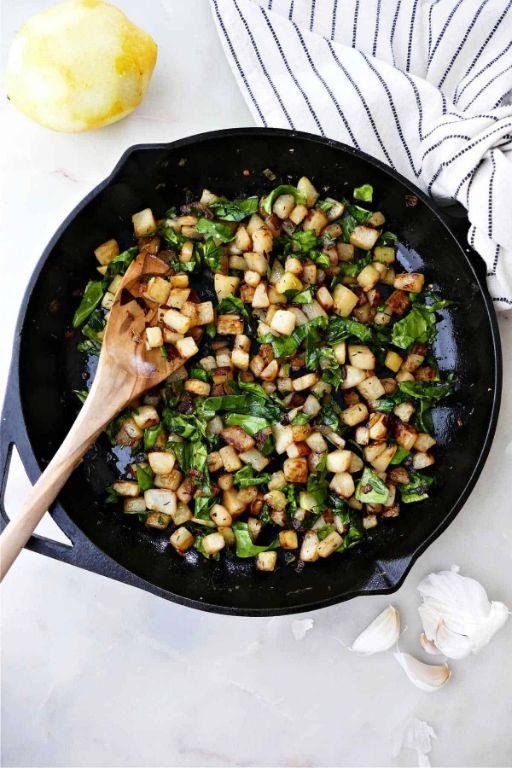
Holding these vibrant kohlrabi leaves in my hands, I’m reminded how often we overlook the humble parts of vegetables, tossing them aside without a second thought. Today feels like the perfect quiet afternoon to gently transform these often-discarded greens into something simple yet deeply satisfying, letting the grill work its magic while I watch the light shift across the kitchen.
2
servings10
minutes6
minutesIngredients
– 1 large bunch kohlrabi leaves (about 4 cups packed, stems removed)
– 2 tablespoons extra virgin olive oil (or any mild, flavorful oil)
– 1 tablespoon fresh lemon juice (adjust for more brightness)
– 1/4 teaspoon fine sea salt (or to your preference)
– 1/8 teaspoon freshly ground black pepper (freshly cracked adds depth)
Instructions
1. Preheat your grill to medium heat, around 375°F, ensuring the grates are clean and lightly oiled to prevent sticking.
2. Wash the kohlrabi leaves thoroughly under cool running water to remove any dirt, then pat them completely dry with a clean kitchen towel—this helps them crisp nicely.
3. In a large bowl, whisk together the olive oil, lemon juice, salt, and pepper until well combined.
4. Add the dried kohlrabi leaves to the bowl and toss gently with your hands, coating each leaf evenly with the marinade.
5. Place the leaves in a single layer on the preheated grill, working in batches if needed to avoid overcrowding.
6. Grill for 2–3 minutes per side, watching for the edges to curl slightly and develop light char marks without burning.
7. Use tongs to flip the leaves carefully, as they can be delicate once heated—this preserves their structure.
8. Remove the grilled leaves from the grill and transfer them to a serving plate immediately to stop the cooking process.
9. Drizzle any remaining marinade from the bowl over the top for extra flavor. Vibrant and slightly crisp, these leaves carry a whisper of smoke from the grill, balanced by the bright tang of lemon. I love serving them alongside grilled fish or folding them into a grain bowl for a textural surprise, their tender stems adding just enough bite to keep things interesting.
Kohlrabi Leaf and Mushroom Risotto
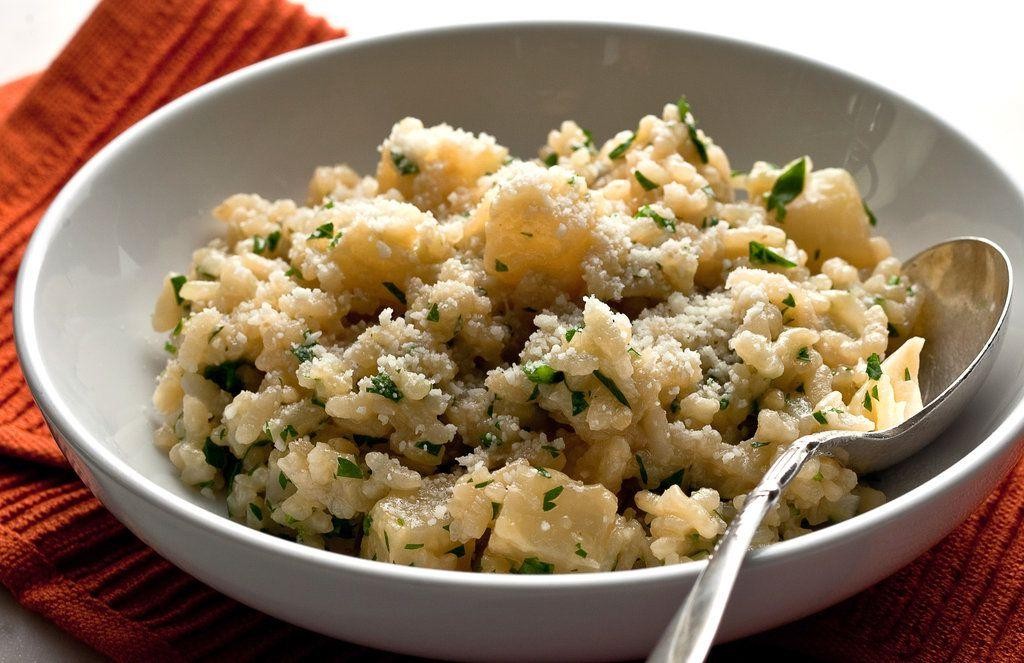
Perhaps there’s something quietly beautiful about transforming overlooked ingredients into something comforting. This risotto came to me on one of those slow, gray afternoons when the kohlrabi leaves in my CSA box seemed to whisper rather than shout, and I wanted to listen. Letting the mushrooms and greens guide the process felt like a gentle conversation with the season itself.
3
servings15
minutes45
minutesIngredients
– 1 large bunch kohlrabi leaves, stems removed (about 4 cups packed)
– 8 oz cremini mushrooms, sliced (or substitute shiitake for deeper flavor)
– 1 ½ cups Arborio rice
– 4 cups vegetable broth, kept warm
– 1 medium yellow onion, finely diced
– 3 cloves garlic, minced
– ½ cup dry white wine (such as Sauvignon Blanc)
– 2 tbsp olive oil
– 2 tbsp unsalted butter
– ½ cup grated Parmesan cheese, plus more for serving
– Salt and freshly ground black pepper
Instructions
1. Heat olive oil in a large, heavy-bottomed pot or Dutch oven over medium heat until shimmering.
2. Add diced onion and cook for 5-7 minutes, stirring occasionally, until translucent but not browned.
3. Stir in minced garlic and cook for 1 minute until fragrant.
4. Add sliced mushrooms and cook for 8-10 minutes, stirring occasionally, until they release their liquid and begin to brown.
5. Stir in Arborio rice and toast for 2 minutes, coating each grain with oil until slightly translucent at the edges.
6. Pour in white wine and cook while stirring constantly until the liquid is fully absorbed, about 2-3 minutes.
7. Add 1 cup of warm vegetable broth and stir continuously until the rice absorbs most of the liquid.
8. Continue adding broth ½ cup at a time, stirring constantly and waiting until each addition is nearly absorbed before adding the next.
9. After about 20 minutes of adding broth and stirring, fold in the chopped kohlrabi leaves.
10. Cook for 5 more minutes, adding remaining broth as needed, until rice is al dente and leaves are wilted.
11. Remove from heat and stir in butter and Parmesan cheese until fully incorporated.
12. Season with salt and pepper to taste, then let rest for 2 minutes before serving.
What emerges is a risotto where the kohlrabi leaves lend an earthy, slightly peppery note that complements the mushrooms’ deep umami. The texture should be creamy yet still have a gentle resistance to each grain of rice—neither too firm nor mushy. Consider serving it in shallow bowls with an extra sprinkle of Parmesan and perhaps a drizzle of good olive oil, letting the subtle green flecks tell their own quiet story against the creamy backdrop.
Creamy Kohlrabi Leaf and Potato Gratin
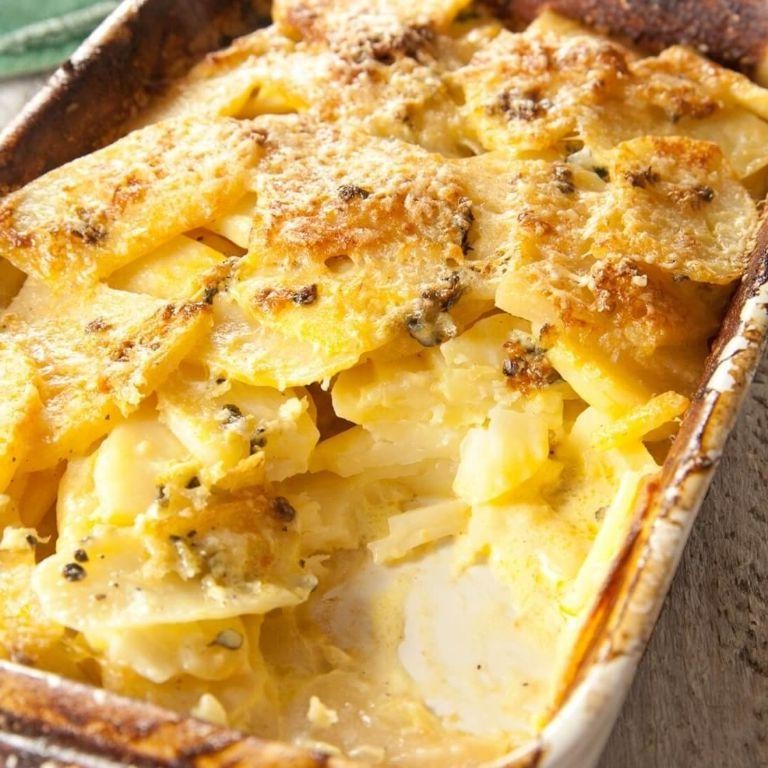
Remembering how my grandmother would never waste a single leaf from her garden, I find myself drawn to these humble kohlrabi greens, their earthy scent filling my small kitchen as afternoon light fades. Rustling them together with thinly sliced potatoes feels like stitching comfort into layers, each one promising to soften and meld into something greater than its parts. There’s a quiet satisfaction in transforming what might be overlooked into a dish that feels both nourishing and deeply familiar.
3
servings20
minutes65
minutesIngredients
– 1 large bunch kohlrabi leaves, stems removed (about 4 cups packed)
– 2 medium russet potatoes, peeled and thinly sliced (about 3 cups)
– 1 cup heavy cream
– 1/2 cup whole milk
– 1/2 cup grated Parmesan cheese, plus 2 tablespoons for topping
– 2 cloves garlic, minced
– 1 teaspoon fresh thyme leaves (or 1/2 teaspoon dried thyme)
– 1/2 teaspoon fine sea salt
– 1/4 teaspoon freshly ground black pepper
– 1/8 teaspoon freshly grated nutmeg
– 1 tablespoon unsalted butter, softened (for greasing)
Instructions
1. Preheat your oven to 375°F and lightly grease a 2-quart baking dish with the softened butter.
2. Wash the kohlrabi leaves thoroughly under cool running water to remove any grit, then pat them completely dry with clean kitchen towels.
3. Stack the dry kohlrabi leaves and slice them crosswise into 1-inch wide ribbons.
4. Peel the russet potatoes and slice them into 1/8-inch thick rounds using a sharp knife or mandoline.
5. In a medium bowl, combine the heavy cream, whole milk, minced garlic, thyme, sea salt, black pepper, and nutmeg, whisking until fully blended.
6. Arrange one-third of the potato slices in a single, slightly overlapping layer across the bottom of the prepared baking dish.
7. Scatter half of the sliced kohlrabi leaves evenly over the potato layer.
8. Sprinkle 2 tablespoons of the grated Parmesan cheese over the kohlrabi leaves.
9. Repeat layering with another third of potatoes, the remaining kohlrabi leaves, and 2 more tablespoons of Parmesan.
10. Top with the final layer of potato slices, arranging them neatly.
11. Pour the cream mixture evenly over the layered potatoes and kohlrabi leaves, allowing it to seep down between the layers.
12. Cover the baking dish tightly with aluminum foil and bake at 375°F for 40 minutes.
13. Carefully remove the foil and sprinkle the remaining 2 tablespoons of Parmesan cheese over the top.
14. Return the dish to the oven, uncovered, and bake for another 20–25 minutes, until the top is golden brown and the potatoes are tender when pierced with a knife.
15. Let the gratin rest at room temperature for 10 minutes before serving to allow the cream to set slightly.
Creamy and layered with subtle earthiness, this gratin emerges with a golden crust that gives way to tender potatoes and silky greens. Each bite carries the gentle warmth of nutmeg and thyme, making it perfect alongside a simple roasted chicken or as a comforting standalone supper. Consider serving it in shallow bowls with a crisp green salad to contrast its rich, velvety texture.
Kohlrabi Leaf Salad with Feta and Cranberries
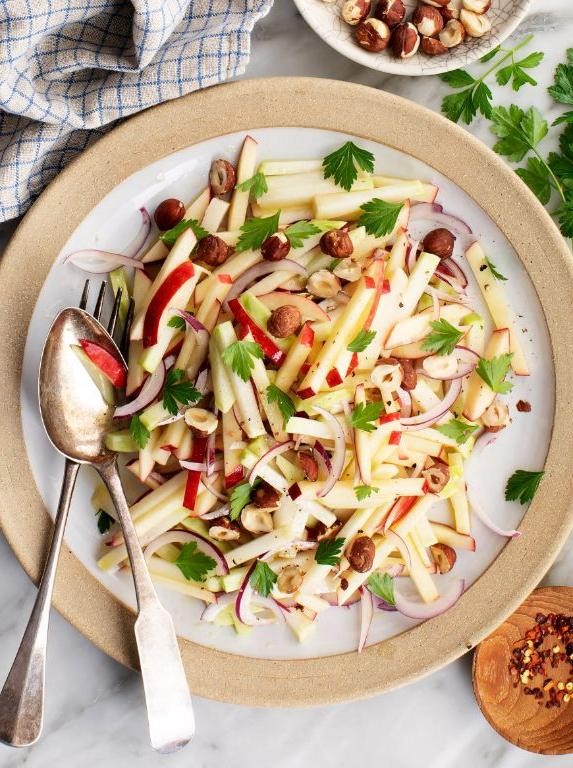
Just yesterday, I found myself standing in my kitchen with a bundle of kohlrabi leaves, their vibrant green edges curling like forgotten letters. Sometimes the most beautiful meals emerge from what we nearly discard, these tender leaves holding memories of earth and rain. I let my hands move slowly, tearing them into a bowl where sharp feta and sweet cranberries would soon join them.
4
servings15
minutesIngredients
- 4 cups fresh kohlrabi leaves, torn into bite-sized pieces (young, tender leaves work best)
- 1/2 cup crumbled feta cheese (or goat cheese for a tangier twist)
- 1/4 cup dried cranberries (unsweetened preferred)
- 2 tablespoons extra virgin olive oil (or any mild oil)
- 1 tablespoon fresh lemon juice (adjust for brightness)
- 1/4 teaspoon fine sea salt (reduce if feta is very salty)
- 1/8 teaspoon freshly ground black pepper
Instructions
- Wash the kohlrabi leaves thoroughly under cool running water to remove any grit, then spin them dry in a salad spinner or pat gently with clean kitchen towels—this helps the dressing cling better.
- Tear the leaves by hand into roughly 2-inch pieces, discarding any tough stems; tearing rather than cutting prevents bruising and keeps the edges delicate.
- Place the torn leaves in a large mixing bowl, spreading them evenly to make tossing easier later.
- Sprinkle the crumbled feta cheese evenly over the leaves, allowing some pieces to nestle into the greens.
- Scatter the dried cranberries across the top, distributing them so each bite gets a pop of sweetness.
- In a small bowl, whisk together the olive oil and lemon juice for about 30 seconds until the mixture looks slightly emulsified and creamy.
- Drizzle the dressing over the salad, starting with half and adding more as needed to lightly coat without drowning the leaves.
- Sprinkle the sea salt and black pepper evenly over the salad, then use salad tongs or two large spoons to toss everything gently for about 1 minute until the ingredients are well combined.
- Let the salad rest for 5 minutes before serving to allow the flavors to meld and the cranberries to soften slightly.
The leaves offer a tender, almost spinach-like texture with a subtle peppery note, while the feta crumbles melt into salty pockets against the chewy cranberries. I love serving this piled high on a rustic wooden board with grilled chicken tucked alongside, or simply scooping it straight from the bowl with a piece of crusty bread to catch every last drop of dressing.
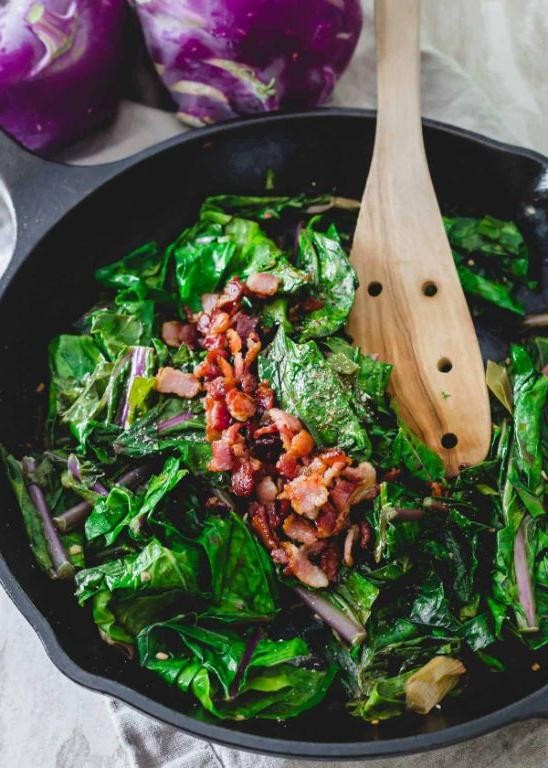
Sautéed Kohlrabi Leaves with Bacon and Onions
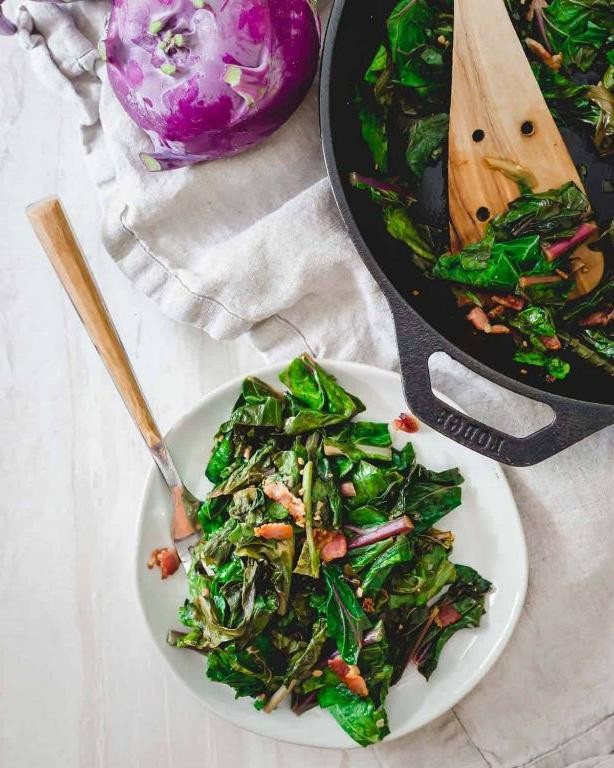
As autumn settles in, I find myself drawn to the overlooked parts of vegetables, those humble leaves that often get discarded without a second thought. There’s something quietly beautiful about transforming what others might consider waste into a dish that feels both nourishing and deeply comforting, especially on these cooler evenings when the light fades early.
4
servings15
minutes25
minutesIngredients
- 4 slices thick-cut bacon, chopped (or substitute pancetta for a milder flavor)
- 1 medium yellow onion, thinly sliced (about 1 cup)
- 1 large bunch kohlrabi leaves, stems removed and leaves chopped (approximately 6 cups packed)
- 2 tablespoons olive oil (or any neutral oil if bacon fat isn’t preferred)
- 2 cloves garlic, minced
- 1/4 teaspoon red pepper flakes (optional, for a subtle heat)
- 1 tablespoon apple cider vinegar
- Salt to season (start with 1/4 teaspoon)
Instructions
- Place a large skillet over medium heat and add the chopped bacon, cooking for 6-8 minutes until crispy and the fat has rendered.
- Using a slotted spoon, transfer the bacon to a paper towel-lined plate, leaving about 1 tablespoon of bacon fat in the skillet.
- Add the sliced onion to the skillet and cook for 5-7 minutes, stirring occasionally, until softened and lightly golden around the edges.
- Stir in the minced garlic and red pepper flakes, cooking for 1 minute until fragrant but not browned.
- Add the chopped kohlrabi leaves in two batches, wilting the first batch before adding the second, which helps them cook evenly without overcrowding.
- Drizzle in the olive oil and season with salt, then continue cooking for 4-5 minutes until the leaves are tender but still vibrant green.
- Sprinkle the cooked bacon back into the skillet and toss to combine all ingredients thoroughly.
- Remove the skillet from heat and immediately drizzle with apple cider vinegar, stirring to incorporate and brighten the flavors.
- Let the dish rest for 2 minutes off heat before serving to allow the flavors to meld together.
Now the leaves have softened into silken ribbons that cling to the salty bacon and sweet onions, creating a texture that’s both tender and substantial. Next time, I might serve it over creamy polenta or fold it into warm pasta for a complete meal that honors these simple ingredients.
Kohlrabi Leaf and Chickpea Curry
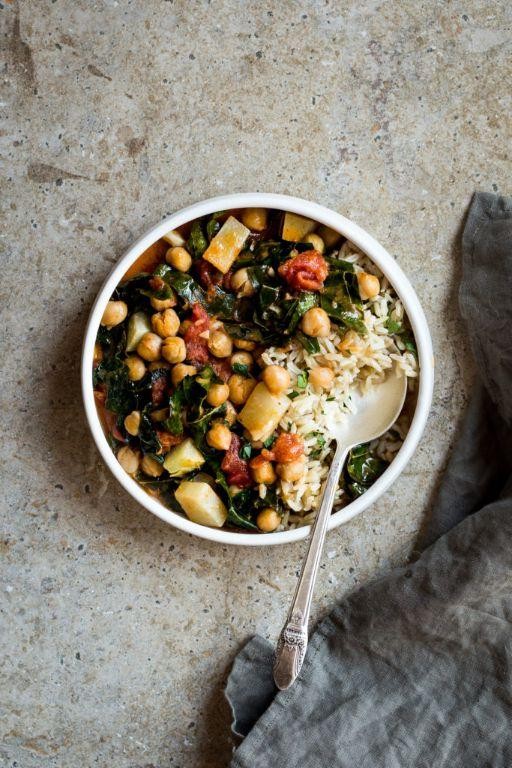
There’s something quietly beautiful about transforming overlooked kitchen scraps into something nourishing. This kohlrabi leaf and chickpea curry came to me on one of those slow afternoons when the light slants just so through the kitchen window, a gentle reminder that even the humblest ingredients can become comfort.
5
servings15
minutes30
minutesIngredients
- 2 tablespoons olive oil (or any neutral oil)
- 1 medium yellow onion, diced
- 3 cloves garlic, minced
- 1 tablespoon fresh ginger, grated
- 1 teaspoon ground cumin
- 1/2 teaspoon ground turmeric
- 1/4 teaspoon cayenne pepper (adjust to preference)
- 1 (15-ounce) can chickpeas, drained and rinsed
- 4 cups packed kohlrabi leaves, stems removed, roughly chopped
- 1 (14-ounce) can diced tomatoes, undrained
- 1 cup vegetable broth
- 1/2 cup full-fat coconut milk
- 1 teaspoon salt
- Fresh cilantro for garnish (optional)
Instructions
- Heat olive oil in a large pot or Dutch oven over medium heat until it shimmers, about 1 minute.
- Add diced onion and cook, stirring occasionally, until translucent and softened, about 5–7 minutes.
- Stir in minced garlic and grated ginger, cooking for 1 minute until fragrant but not browned.
- Sprinkle in cumin, turmeric, and cayenne pepper, toasting the spices for 30 seconds to deepen their flavor.
- Add drained chickpeas, stirring to coat them evenly with the spiced onion mixture.
- Pour in diced tomatoes with their juices and vegetable broth, scraping the bottom of the pot to lift any browned bits.
- Bring the mixture to a gentle simmer, then reduce heat to low, cover, and cook for 10 minutes to allow flavors to meld.
- Stir in chopped kohlrabi leaves, cooking uncovered until they wilt and turn bright green, about 3–4 minutes.
- Pour in coconut milk and add salt, simmering for another 2 minutes until the curry is warmed through and slightly thickened.
- Remove from heat and let rest for 5 minutes before serving to allow the flavors to settle.
Just spooned over steaming basmati rice, this curry cradles you with its creamy coconut broth and tender chickpeas. The kohlrabi leaves, once overlooked, now float like emerald whispers, their slight bitterness softened into earthiness. For a quiet twist, try it with a squeeze of lime or a dollop of yogurt to brighten the deep, spiced warmth.
Steamed Kohlrabi Leaves with Sesame Dressing

Just now, as evening light filters through my kitchen window, I find myself drawn to the quiet simplicity of steamed greens—the gentle hiss of the pot, the vibrant color preserved, the way humble ingredients transform with care. This kohlrabi leaf preparation feels like a small, nourishing ritual, one that honors both the vegetable and the cook’s peaceful moment.
4
servings10
minutes8
minutesIngredients
– 1 large bunch kohlrabi leaves (about 8 cups loosely packed), stems removed if tough
– 2 tablespoons toasted sesame oil, for its nutty aroma
– 1 tablespoon soy sauce, or tamari for gluten-free
– 1 teaspoon rice vinegar, to brighten flavors
– 1 teaspoon maple syrup, or honey if preferred
– 1 garlic clove, minced finely
– 1 teaspoon sesame seeds, for garnish
Instructions
1. Fill a large pot with 1 inch of water and place a steamer basket inside.
2. Bring the water to a rolling boil over high heat, which should take about 4-5 minutes.
3. Rinse the kohlrabi leaves thoroughly under cold running water to remove any dirt.
4. Shake off excess water from the leaves but do not dry completely—the remaining moisture helps them steam.
5. Arrange the leaves loosely in the steamer basket, ensuring they don’t pack tightly for even cooking.
6. Cover the pot with a tight-fitting lid to trap steam effectively.
7. Steam the leaves for exactly 3 minutes until they turn bright green and wilt slightly.
8. Immediately transfer the steamed leaves to a colander to drain any accumulated liquid.
9. Gently press the leaves with the back of a spoon to remove excess water without crushing them.
10. In a small bowl, whisk together the toasted sesame oil, soy sauce, rice vinegar, maple syrup, and minced garlic until emulsified.
11. Place the drained kohlrabi leaves on a serving plate and drizzle the sesame dressing evenly over the top.
12. Sprinkle the sesame seeds over the dressed leaves as a final garnish.
Each bite offers a tender-crisp texture that holds the nutty, savory dressing beautifully. The slight bitterness of the greens mellows into something deeply comforting, especially when served alongside grilled fish or tucked into a grain bowl with quinoa.
Kohlrabi Leaf and Tomato Quiche

Sometimes the most comforting meals emerge from the quiet rhythm of the kitchen, where overlooked ingredients like kohlrabi leaves find their purpose alongside familiar tomatoes in this simple quiche. Slowly unfolding this recipe feels like turning pages in a well-loved journal, each step measured and intentional. We’ll let the oven’s warmth transform humble components into a dish that feels both nourishing and deeply personal.
6
servings25
minutes50
minutesIngredients
- 1 refrigerated pie crust (thawed if frozen, or homemade for flakier texture)
- 2 cups chopped kohlrabi leaves (rinsed well to remove grit, stems removed)
- 1 cup diced tomatoes (seeds gently squeezed out to prevent sogginess)
- 1/2 cup diced onion (yellow or sweet varieties work well)
- 4 large eggs
- 1 cup whole milk (or half-and-half for richer custard)
- 1/2 cup shredded Gruyère cheese (sharp cheddar makes a fine substitute)
- 2 tbsp olive oil (or any neutral oil like avocado)
- 1/2 tsp salt (fine sea salt dissolves evenly)
- 1/4 tsp black pepper (freshly cracked for brighter flavor)
- 1/4 tsp nutmeg (freshly grated adds aromatic warmth)
Instructions
- Preheat your oven to 375°F and place a baking sheet on the middle rack to heat.
- Unroll the pie crust into a 9-inch pie dish, gently pressing it against the sides and trimming any excess overhang.
- Prick the bottom and sides of the crust thoroughly with a fork to prevent bubbling.
- Heat olive oil in a skillet over medium heat until it shimmers, about 1 minute.
- Add diced onion and cook for 4–5 minutes until translucent and fragrant.
- Stir in kohlrabi leaves and cook for 3–4 minutes until wilted and bright green.
- Transfer the vegetable mixture to a bowl and let it cool completely to avoid curdling the eggs.
- Whisk eggs in a separate bowl until yolks and whites are fully blended and pale yellow.
- Pour in milk while whisking continuously to create a smooth, airy custard base.
- Add salt, black pepper, and nutmeg to the custard, whisking for 10 seconds to incorporate.
- Spread the cooled vegetable mixture evenly over the pie crust.
- Scatter diced tomatoes and shredded Gruyère cheese over the vegetables.
- Slowly pour the custard over the fillings, allowing it to seep into gaps.
- Place the quiche on the preheated baking sheet and bake for 35–40 minutes until the center jiggles slightly but the edges are golden brown.
- Let the quiche rest on a wire rack for 15 minutes to set fully before slicing.
With its flaky crust and tender filling, each bite offers a subtle earthiness from the kohlrabi leaves balanced by the tomatoes’ gentle acidity. Warm slices pair beautifully with a crisp arugula salad, or try it chilled the next day for a satisfying picnic lunch.
Kohlrabi Leaf and Cheese Stuffed Shells
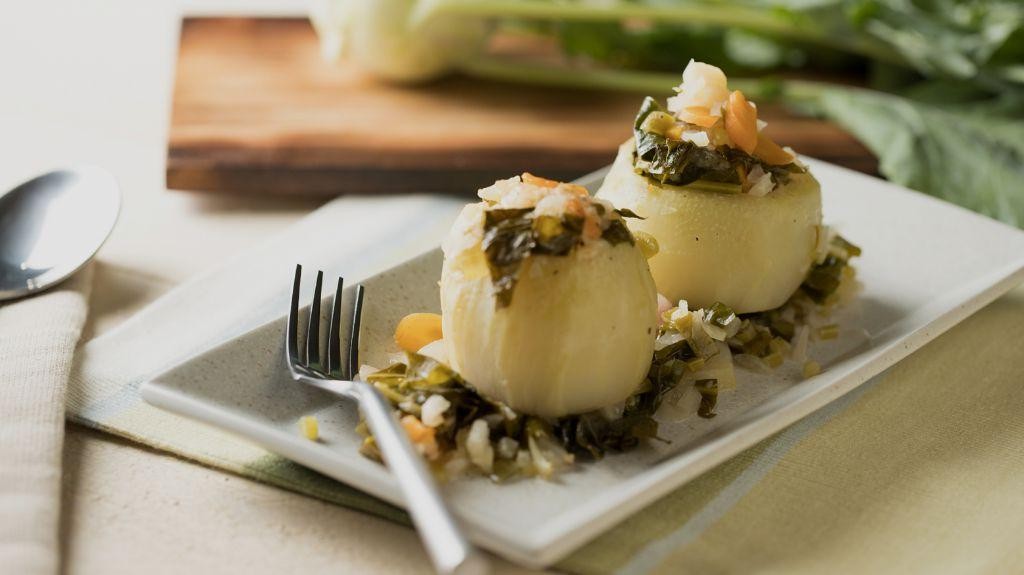
Lately, I’ve been finding comfort in transforming overlooked ingredients into something quietly beautiful, like these delicate shells cradling earthy kohlrabi greens and creamy cheese. There’s something meditative about carefully stuffing each pasta curve, creating little edible treasures that hold both flavor and intention. This dish feels like a gentle conversation between garden freshness and kitchen warmth, perfect for a slow evening when cooking becomes reflection rather than routine.
12
shells20
minutes45
minutesIngredients
– 12 jumbo pasta shells
– 2 cups kohlrabi leaves, chopped (stems removed, packed measure)
– 1 ½ cups whole milk ricotta cheese
– 1 cup shredded mozzarella cheese, divided
– ½ cup grated Parmesan cheese
– 1 large egg, lightly beaten
– 2 tablespoons olive oil (or any neutral oil)
– 3 cloves garlic, minced
– ¼ teaspoon red pepper flakes (optional, for subtle heat)
– 2 cups marinara sauce (store-bought or homemade)
– 1 teaspoon salt
– ½ teaspoon black pepper
Instructions
1. Bring a large pot of salted water to a rolling boil over high heat.
2. Add jumbo pasta shells and cook for 9 minutes until pliable but still firm to the bite.
3. Drain shells carefully and arrange them in a single layer on a baking sheet to prevent sticking.
4. Preheat oven to 375°F and lightly grease a 9×13 inch baking dish with olive oil.
5. Heat 2 tablespoons olive oil in a large skillet over medium heat until shimmering.
6. Add minced garlic and red pepper flakes, sautéing for 1 minute until fragrant but not browned.
7. Stir in chopped kohlrabi leaves and cook for 4-5 minutes until wilted and bright green.
8. Transfer the kohlrabi mixture to a mixing bowl and let cool for 5 minutes.
9. Add ricotta cheese, ¾ cup mozzarella, Parmesan, beaten egg, salt, and pepper to the bowl.
10. Mix filling gently until fully combined but not overworked.
11. Spread 1 cup marinara sauce evenly across the bottom of the prepared baking dish.
12. Using a small spoon, fill each pasta shell with about 2 tablespoons of the cheese mixture.
13. Arrange stuffed shells in a single layer over the sauce in the baking dish.
14. Pour remaining 1 cup marinara sauce over the shells, covering them evenly.
15. Sprinkle remaining ¼ cup mozzarella cheese over the top.
16. Cover dish tightly with aluminum foil and bake for 25 minutes.
17. Remove foil and bake uncovered for 10 more minutes until cheese is golden and bubbly.
18. Let rest for 5 minutes before serving to allow filling to set. But what stays with you is the way the tender shells yield to reveal their verdant filling, the kohlrabi leaves lending a subtle peppery note that cuts through the rich cheese. Serve these nestled alongside a simple green salad, or perhaps with crusty bread to catch every bit of the tomato sauce—either way, they feel like little edible hugs on a plate.
Herbed Kohlrabi Leaves in Vegetable Broth

A quiet afternoon finds me in the kitchen, drawn to the gentle simplicity of transforming overlooked greens into something quietly nourishing. There’s a particular comfort in working with kohlrabi leaves, their mild earthiness softening into the broth like a slow, deep breath.
4
servings15
minutes21
minutesIngredients
– 4 cups kohlrabi leaves, washed and roughly chopped (stems removed if tough)
– 4 cups vegetable broth (low sodium preferred)
– 1 tbsp olive oil (or any neutral oil)
– 2 cloves garlic, minced
– 1 small onion, finely diced
– 1 tsp dried thyme (or 1 tbsp fresh)
– 1/2 tsp black pepper, freshly ground
– 1/4 tsp salt (adjust to taste)
Instructions
1. Heat olive oil in a large pot over medium heat until it shimmers.
2. Add diced onion and cook for 5-7 minutes until translucent and fragrant.
3. Stir in minced garlic and cook for 1 minute until aromatic but not browned.
4. Pour in vegetable broth, scraping any browned bits from the pot bottom for extra flavor.
5. Add dried thyme, black pepper, and salt to the broth.
6. Bring the broth to a gentle simmer over medium-high heat.
7. Reduce heat to maintain a low simmer with occasional bubbles breaking the surface.
8. Add chopped kohlrabi leaves to the simmering broth.
9. Cook uncovered for 8-10 minutes until leaves are tender but still vibrant green.
10. Remove from heat and let rest for 2 minutes before serving.
Hearty yet delicate, the leaves wilt into silken ribbons that melt against the tongue. Their subtle peppery notes mingle with the thyme-scented broth, creating a light dish that feels both rustic and refined. Try ladling it over crusty bread or stirring in cooked white beans for added substance.
Kohlrabi Leaf and Ricotta Frittata

Venturing into the quiet kitchen this morning, I found myself drawn to the forgotten kohlrabi leaves lingering in the crisper, their tender green folds whispering of simple nourishment and the gentle art of not wasting what the earth provides. There’s something deeply comforting about transforming these humble greens into a frittata, where ricotta melts into soft clouds and eggs become a golden canvas for late summer’s subtle gifts.
2
servings15
minutes33
minutesIngredients
– 6 large eggs
– 1 cup whole milk ricotta cheese
– 2 cups packed kohlrabi leaves, stems removed and roughly chopped
– 1 small yellow onion, thinly sliced
– 2 tablespoons olive oil (or any neutral oil)
– 1/2 teaspoon kosher salt
– 1/4 teaspoon black pepper, freshly ground
– 1/4 teaspoon red pepper flakes (optional, for subtle heat)
– 1 tablespoon unsalted butter
Instructions
1. Preheat your oven to 375°F and position a rack in the center.
2. Heat 2 tablespoons of olive oil in a 10-inch oven-safe skillet over medium heat until it shimmers.
3. Add 1 thinly sliced yellow onion and cook for 6-8 minutes, stirring occasionally, until translucent and lightly golden at the edges.
4. Stir in 2 cups of chopped kohlrabi leaves and cook for 3-4 minutes until wilted and bright green.
5. Tip: If the leaves release moisture, continue cooking until most liquid evaporates to prevent a soggy frittata.
6. In a medium bowl, whisk 6 large eggs until uniform in color and slightly frothy.
7. Gently fold in 1 cup of ricotta cheese, 1/2 teaspoon kosher salt, 1/4 teaspoon black pepper, and 1/4 teaspoon red pepper flakes if using, leaving some ricotta streaks for texture.
8. Tip: Avoid overmixing to maintain pockets of creamy ricotta in the finished frittata.
9. Melt 1 tablespoon of unsalted butter in the skillet with the vegetables, swirling to coat the bottom and sides.
10. Pour the egg mixture evenly over the vegetables, using a spatula to distribute the greens.
11. Cook undisturbed on the stovetop for 4-5 minutes until the edges set and pull slightly away from the pan.
12. Transfer the skillet to the preheated oven and bake for 14-16 minutes until the center is just set and the top is puffed and golden.
13. Tip: Check for doneness by gently jiggling the skillet; the center should have a slight wobble but not be liquid.
14. Remove from the oven and let rest for 5 minutes before slicing.
Dappled with creamy ricotta and flecked with earthy greens, this frittata emerges tender and satisfying, its flavors mellow and comforting. Serve it warm with a drizzle of good olive oil or at room temperature alongside a crisp salad, perhaps with sliced radishes and a lemon vinaigrette to highlight its subtle sweetness.
Kohlrabi Leaves with Nutty Tahini Sauce

Venturing into the garden this afternoon, I found myself drawn to the often-overlooked kohlrabi leaves, their tender green folds holding quiet potential for a simple, nourishing meal that feels like a gentle embrace.
4
servings15
minutes6
minutesIngredients
– 1 large bunch kohlrabi leaves (about 8 cups loosely packed), stems removed and leaves roughly chopped
– 2 tbsp olive oil (or any neutral oil)
– 3 cloves garlic, thinly sliced
– 1/4 cup tahini (stirred well if separated)
– 2 tbsp lemon juice (freshly squeezed for brightest flavor)
– 3 tbsp warm water (adjust for desired sauce consistency)
– 1/4 tsp salt (fine sea salt preferred)
– 1 tbsp toasted sesame seeds (for garnish)
Instructions
1. Fill a large pot with water and bring to a rolling boil over high heat.
2. Add the chopped kohlrabi leaves to the boiling water and blanch for exactly 90 seconds until bright green and slightly softened.
3. Immediately transfer the blanched leaves to a bowl of ice water using a slotted spoon to stop the cooking process.
4. Drain the cooled leaves thoroughly, gently pressing out excess water with your hands.
5. Heat olive oil in a large skillet over medium heat until it shimmers, about 1 minute.
6. Add the sliced garlic and cook for 45-60 seconds until fragrant and lightly golden, stirring constantly to prevent burning.
7. Add the drained kohlrabi leaves to the skillet and sauté for 3-4 minutes, stirring occasionally, until completely tender but still vibrant.
8. While the leaves cook, whisk together tahini, lemon juice, and salt in a small bowl until smooth.
9. Gradually add warm water to the tahini mixture, whisking continuously until the sauce reaches a pourable consistency that coats the back of a spoon.
10. Arrange the sautéed kohlrabi leaves on a serving plate and drizzle generously with the tahini sauce.
11. Sprinkle toasted sesame seeds evenly over the top as a finishing touch.
Yielding to the dish’s quiet charm, the wilted leaves offer a delicate texture that melts against the creamy, nutty sauce—their earthy sweetness balanced by tahini’s rich depth. Serve it warm alongside grilled fish or fold it into grain bowls where the sauce can mingle with other flavors, creating little pockets of comfort in every bite.
Roasted Kohlrabi Leaf Chips
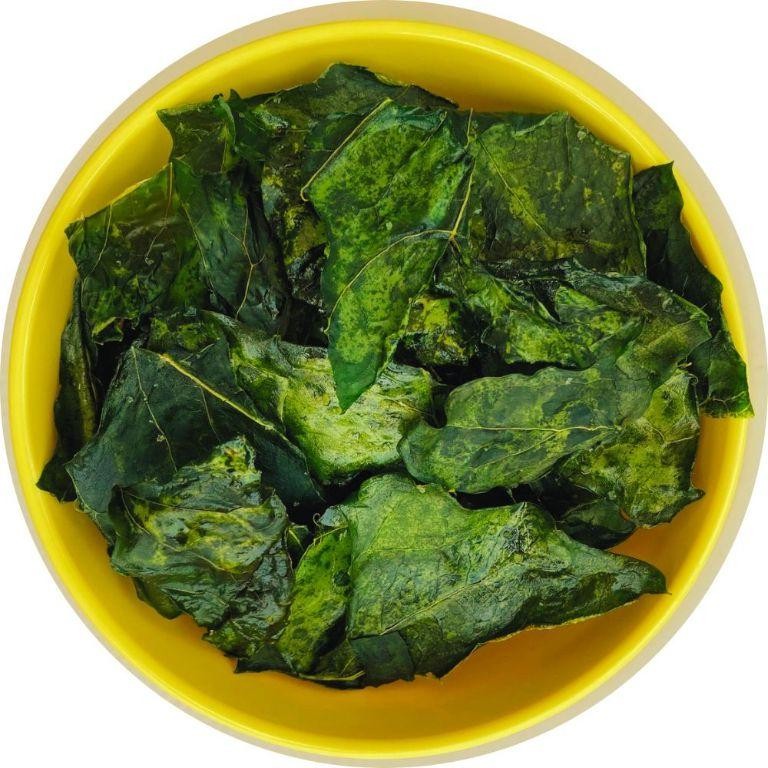
Evenings like this, when the kitchen grows quiet and golden hour light spills across the counter, I find myself drawn to simple transformations—like turning forgotten kohlrabi tops into something delicate and crisp. It’s a gentle reminder that beauty often hides in the most overlooked places, waiting for a little patience and warmth to draw it out. These roasted leaves, seasoned with just a whisper of spice, become a snack that feels both earthy and elegant, perfect for savoring slowly.
4
servings10
minutes23
minutesIngredients
- 4 cups kohlrabi leaves, stems removed (packed lightly; or substitute kale leaves for a similar texture)
- 1 tablespoon olive oil (or any neutral oil like avocado oil)
- 1/2 teaspoon garlic powder
- 1/4 teaspoon smoked paprika (adjust to preference for smokiness)
- 1/4 teaspoon fine sea salt (or kosher salt, crushed finely)
Instructions
- Preheat your oven to 300°F and line a large baking sheet with parchment paper to prevent sticking.
- Wash the kohlrabi leaves thoroughly under cool running water to remove any dirt, then pat them completely dry with a clean kitchen towel or salad spinner—this helps them crisp evenly without steaming.
- Remove and discard the tough central stems from each leaf by tearing or cutting along the sides, as stems can burn easily and create uneven texture.
- In a large mixing bowl, combine the dried kohlrabi leaves, olive oil, garlic powder, smoked paprika, and sea salt, then use your hands to gently massage the mixture into every leaf until evenly coated.
- Arrange the leaves in a single, uncrowded layer on the prepared baking sheet, ensuring none overlap to allow hot air circulation for uniform crisping.
- Roast in the preheated oven for 12–15 minutes, then rotate the tray and continue roasting for another 5–8 minutes, watching closely until the edges curl and the leaves turn deep green with lightly browned spots—avoid over-browning, which can make them bitter.
- Remove the baking sheet from the oven and let the chips cool completely on the tray for 10–15 minutes; they’ll crisp further as they sit, so resist tasting them warm for the best texture.
Zesty and fragile, these chips shatter with a whisper-thin crunch, releasing a subtle peppery sweetness balanced by smoky paprika. I love crumbling them over a creamy soup or scattering them atop a grain bowl for contrast, their delicate structure holding just enough flavor to elevate each bite without overwhelming it.
Wilted Kohlrabi Leaves with Balsamic Reduction
Kohlrabi leaves, those often-discarded emerald tops, hold a quiet magic when given gentle attention in the kitchen. Zestfully bright yet deeply earthy, this simple preparation transforms humble greens into something unexpectedly elegant, a small testament to cooking with intention and what we choose not to waste.
5
servings10
minutes12
minutesIngredients
– 1 large bunch kohlrabi leaves, stems removed (about 4 cups packed)
– 2 tbsp olive oil (or any neutral oil)
– 3 cloves garlic, thinly sliced
– 1/4 cup balsamic vinegar
– 1 tsp honey (or maple syrup for a vegan option)
– 1/4 tsp red pepper flakes (optional, for a subtle heat)
– Salt, to season throughout
Instructions
1. Thoroughly wash the kohlrabi leaves in a large bowl of cold water to remove any grit, then spin or pat them completely dry. A pro tip: drying the leaves well prevents them from steaming instead of wilting in the pan.
2. Pour the balsamic vinegar and honey into a small saucepan and set it over medium-low heat.
3. Let the vinegar mixture simmer gently for 5-7 minutes, swirling the pan occasionally, until it has reduced by about half and coats the back of a spoon. Watch it closely, as it can burn easily in the final minute.
4. Heat the olive oil in a large skillet or Dutch oven over medium heat until it shimmers.
5. Add the thinly sliced garlic and red pepper flakes to the hot oil, sautéing for 45-60 seconds just until the garlic becomes fragrant and lightly golden.
6. Add the dried kohlrabi leaves to the skillet, using tongs to toss them in the hot oil and garlic.
7. Season the leaves with a generous pinch of salt and continue to cook, tossing frequently, for 3-4 minutes until the leaves are fully wilted and dark green.
8. Drizzle the warm balsamic reduction over the wilted greens in the skillet, tossing once more to combine everything evenly. Zestfully bright yet deeply earthy, the finished dish offers tender, silky leaves with a glossy, sweet-tart glaze. I love it spooned over a bowl of creamy polenta or alongside a seared pork chop, where the reduction forms a beautiful, savory pool on the plate.
Conclusion
Remarkable how versatile kohlrabi leaves can be! From simple sautés to creative pestos, these 35 recipes showcase their incredible culinary potential. We hope you’re inspired to give these nutritious greens a try in your kitchen. Which recipe catches your eye? Share your favorites in the comments below, and don’t forget to pin this article to your Pinterest boards for easy reference!