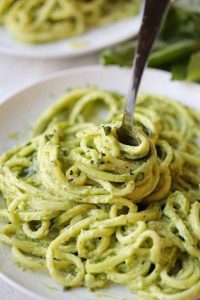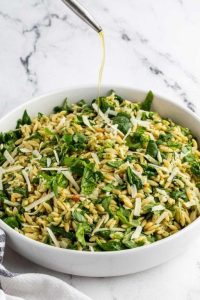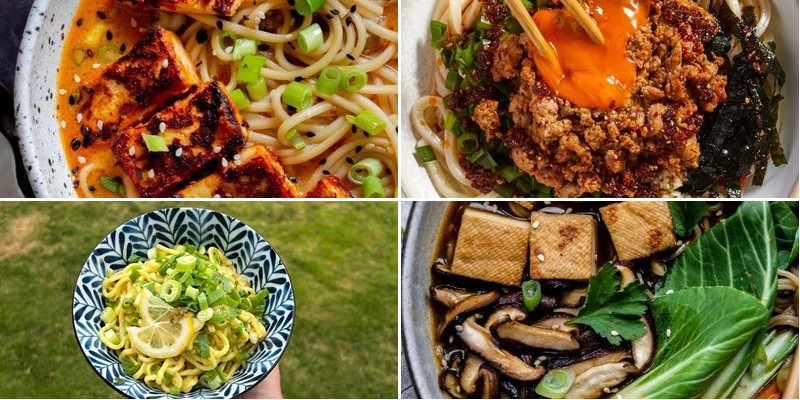
Nothing beats the comforting warmth of a steaming bowl of ramen on a chilly evening. If you’re ready to move beyond the instant packets and dive into the world of authentic, flavorful broths and perfectly cooked noodles, you’ve come to the right place. We’ve gathered 35 irresistible recipes that will transform your home cooking and bring the rich, complex flavors of traditional ramen right to your kitchen.
Tonkotsu Ramen with Creamy Broth

Kind of like those quiet evenings when the world slows down and you crave something deeply comforting, this tonkotsu ramen feels like a warm embrace in a bowl. There’s something about the creamy broth that makes everything feel right, like finding an old favorite sweater on a chilly day. It’s the kind of meal that asks for nothing but your presence and rewards you with pure contentment.
2
servings15
minutes390
minutesIngredients
– 1 lb pork bones (I always ask my butcher for meaty marrow bones—they add incredible richness)
– 8 cups cold water (starting cold helps extract maximum flavor from the bones)
– 4 cloves garlic (smashed gently with the side of your knife to release their aromatic oils)
– 1 inch fresh ginger (thinly sliced—I love seeing the golden specks floating in the finished broth)
– 2 tbsp soy sauce (I prefer the darker, richer varieties for depth)
– 1 tbsp mirin (that subtle sweetness balances the pork perfectly)
– 2 packs fresh ramen noodles (about 9 oz total—fresh makes all the difference in texture)
– 2 soft-boiled eggs (I prefer room temperature eggs here for more consistent cooking)
– 4 slices pork belly (about ¼ inch thick—the marbling creates such tender results)
– 2 green onions (thinly sliced on the diagonal for a pretty presentation)
Instructions
1. Rinse the pork bones under cold running water for 2 minutes to remove any bone fragments.
2. Place the cleaned bones in a large stockpot and cover with 8 cups cold water.
3. Bring the water to a rolling boil over high heat, then immediately reduce to a gentle simmer.
4. Skim off the white foam that rises to the surface during the first 30 minutes of simmering.
5. Add the smashed garlic cloves and sliced ginger to the pot.
6. Maintain a steady simmer for 6 hours, checking occasionally to ensure the bones remain submerged.
7. Strain the broth through a fine-mesh sieve into a clean pot, pressing gently on the solids.
8. Return the strained broth to the stove and bring to a simmer over medium heat.
9. Stir in the soy sauce and mirin until fully incorporated.
10. Season the pork belly slices generously with salt on both sides.
11. Heat a skillet over medium-high heat until water droplets sizzle upon contact.
12. Cook the pork belly for 4 minutes per side until golden brown and crispy-edged.
13. Bring a separate pot of water to a vigorous boil for the noodles.
14. Cook the ramen noodles for exactly 2 minutes until tender but still chewy.
15. While noodles cook, place the room temperature eggs in boiling water for 6 minutes 30 seconds.
16. Immediately transfer the cooked eggs to an ice bath to stop the cooking process.
17. Divide the cooked noodles between two large bowls.
18. Carefully peel the soft-boiled eggs and slice them in half lengthwise.
19. Ladle the hot broth over the noodles, filling each bowl about three-quarters full.
20. Arrange two pork belly slices and two egg halves in each bowl.
21. Sprinkle with sliced green onions as the final garnish.
Heavenly in its simplicity, the broth coats each noodle like liquid silk while the pork belly provides satisfying contrast with its crisp edges. That moment when the yolk runs into the broth creates tiny golden clouds of richness that make every spoonful feel like discovery. Sometimes I like to add a sprinkle of toasted sesame seeds for extra texture, or serve it with pickled ginger on the side for those who want a bright, acidic counterpoint to the deep umami flavors.
Shoyu Ramen with Marinated Pork
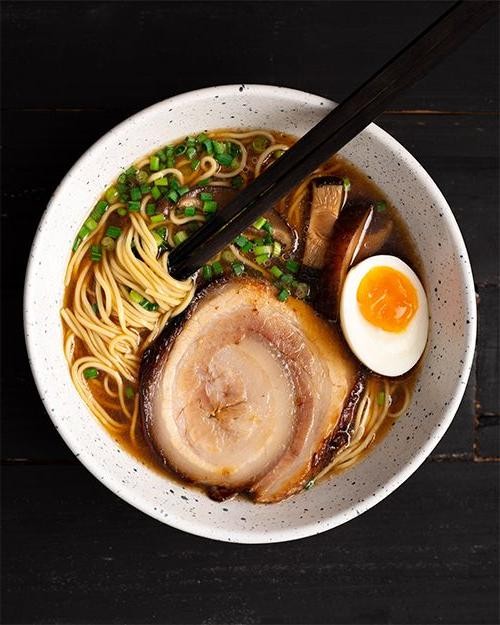
Zestful autumn evenings call for something deeply comforting, something that warms from the inside out. This shoyu ramen, with its marinated pork, has become my quiet ritual for such nights, a gentle simmer that fills the kitchen with the most reassuring aroma.
5
portions30
minutes56
minutesIngredients
– 2 large eggs, I prefer room temperature ones as they’re less likely to crack when boiled
– 1 lb pork shoulder, sliced into ½-inch thick pieces—this cut stays wonderfully tender
– 8 cups cold water, straight from the tap for a clearer broth
– 1 large yellow onion, roughly chopped, skins left on for a richer golden color
– 3 cloves garlic, smashed gently with the side of your knife to release their oils
– 1 (2-inch) piece fresh ginger, sliced into coins—I keep the skin on for extra earthy notes
– 4 tbsp soy sauce, the good, aged kind is my non-negotiable here
– 2 tbsp mirin, it adds a subtle sweetness that balances everything so nicely
– 1 tbsp granulated sugar, just a touch to help the pork caramelize
– 4 portions fresh ramen noodles, about 3.5 oz each—I find the fresh ones have the best springy texture
– 2 green onions, thinly sliced on a sharp diagonal, my little flourish for serving
Instructions
1. Place the room temperature eggs into a medium saucepan and cover them completely with cold water.
2. Bring the water to a rolling boil over high heat, then immediately remove the pan from the heat, cover it, and let the eggs sit for exactly 7 minutes for a perfect jammy yolk.
3. While the eggs rest, prepare an ice bath by filling a large bowl with cold water and ice cubes.
4. Transfer the hot eggs directly into the ice bath using a slotted spoon and let them cool completely for 10 minutes to stop the cooking process.
5. Gently tap each egg all over on a hard surface and carefully peel them under cool running water; set the peeled eggs aside.
6. In a large Dutch oven or heavy-bottomed pot, combine the 8 cups of cold water, chopped onion with skins, smashed garlic cloves, and sliced ginger.
7. Bring the pot to a boil over high heat, then reduce the heat to low and let it simmer gently, uncovered, for 45 minutes to develop a flavorful base broth.
8. While the broth simmers, combine the soy sauce, mirin, and granulated sugar in a shallow dish, whisking until the sugar is fully dissolved to create the marinade.
9. Add the sliced pork shoulder to the marinade, ensuring each piece is fully coated, and let it sit at room temperature for 20 minutes to absorb the flavors.
10. Heat a large skillet over medium-high heat and carefully place the marinated pork slices in a single layer, reserving the leftover marinade in the dish.
11. Sear the pork for 3-4 minutes on the first side, until a deep golden-brown crust forms, then flip each piece and cook for another 3 minutes.
12. Pour the reserved marinade into the skillet with the pork and let it bubble and reduce for 1 minute, creating a glossy glaze; remove the skillet from the heat.
13. Strain the finished broth through a fine-mesh sieve into a clean pot, discarding the onion, garlic, and ginger solids.
14. Bring a separate large pot of water to a boil and cook the fresh ramen noodles according to the package directions, usually for about 2-3 minutes, until al dente.
15. Drain the cooked noodles thoroughly and divide them evenly among four deep bowls.
16. Ladle the hot strained broth over the noodles in each bowl, ensuring they’re fully submerged.
17. Top each bowl with the glazed pork slices, a halved jammy egg, and a generous sprinkle of the diagonally sliced green onions.
Opaque and deeply savory, the broth hugs the springy noodles, while the pork offers a sweet-saltiness that melts away. I love adding a drizzle of chili oil for a gentle heat, or sometimes I’ll tuck a few extra green onions on the side for a fresh, crisp contrast with each rich, warming slurp.
Miso Ramen with Local Vegetables
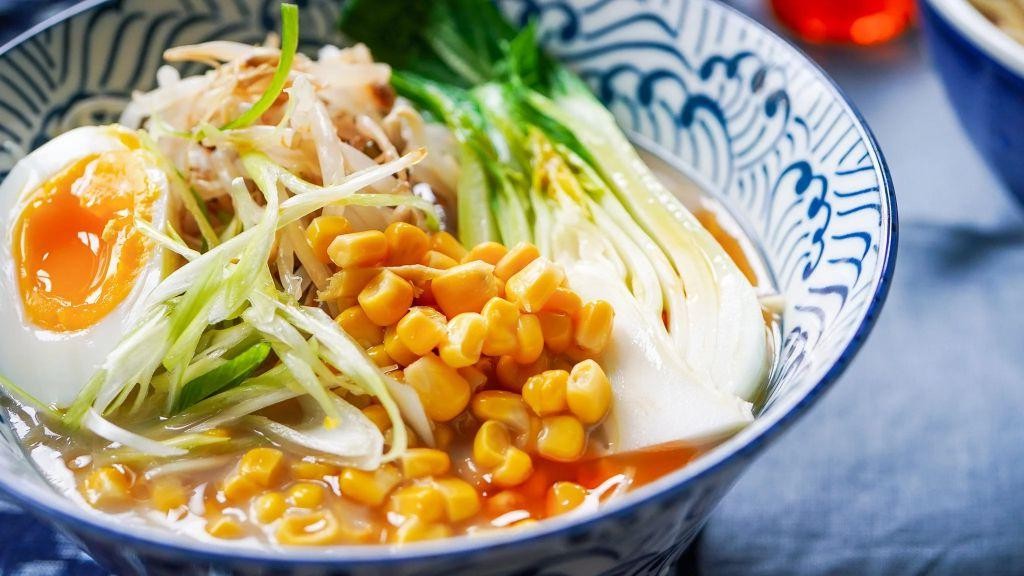
Zestfully watching steam rise from the bowl, I find comfort in this simple ritual—the way miso’s earthy depth meets the crisp sweetness of late-season vegetables, creating a broth that feels like a quiet conversation with autumn itself.
2
servings15
minutes20
minutesIngredients
– 6 cups cold water (I always start with cold—it coaxes out flavors gently)
– ½ cup white miso paste (the mellow kind, not too salty)
– 8 oz ramen noodles (dried, because they hold their chew better)
– 1 tbsp toasted sesame oil (it adds a nutty warmth I adore)
– 2 cloves garlic, minced (freshly crushed—it makes all the difference)
– 1 medium carrot, thinly sliced on a diagonal (for pretty, tender bites)
– 1 small zucchini, halved and sliced (I leave the skin on for color)
– 4 oz shiitake mushrooms, stems removed and caps sliced (their umami is essential)
– 2 soft-boiled eggs, peeled (I prefer room temp eggs here for even cooking)
– 2 green onions, thinly sliced (for a bright, fresh finish)
– 1 tsp soy sauce (just a splash to deepen the savoriness)
Instructions
1. Pour 6 cups cold water into a large pot and bring it to a boil over high heat.
2. Add 8 oz ramen noodles to the boiling water and cook for 4 minutes, stirring occasionally to prevent sticking.
3. Drain the noodles in a colander and rinse under cool water for 10 seconds to stop the cooking process.
4. Heat 1 tbsp toasted sesame oil in the same pot over medium heat until it shimmers.
5. Add 2 cloves minced garlic and sauté for 1 minute, until fragrant but not browned.
6. Stir in 4 oz sliced shiitake mushrooms and cook for 4 minutes, until they release their moisture and soften.
7. Add 1 medium sliced carrot and 1 small sliced zucchini, cooking for 3 minutes until slightly tender.
8. Whisk ½ cup white miso paste into the pot with 1 tsp soy sauce until fully dissolved.
9. Pour the 6 cups water back into the pot and bring to a gentle simmer over medium-low heat for 8 minutes.
10. Divide the cooked noodles between two bowls and ladle the hot broth and vegetables over them.
11. Halve 2 soft-boiled eggs and place them atop each bowl, yolk-side up.
12. Garnish with 2 sliced green onions just before serving. Buttery noodles cradle the broth, each sip a blend of velvety miso and garden-fresh crunch—try topping it with a sprinkle of toasted sesame seeds for extra texture, or enjoy it curled up with a book, steam warming your cheeks as evening settles in.
Spicy Tantanmen Ramen Delight
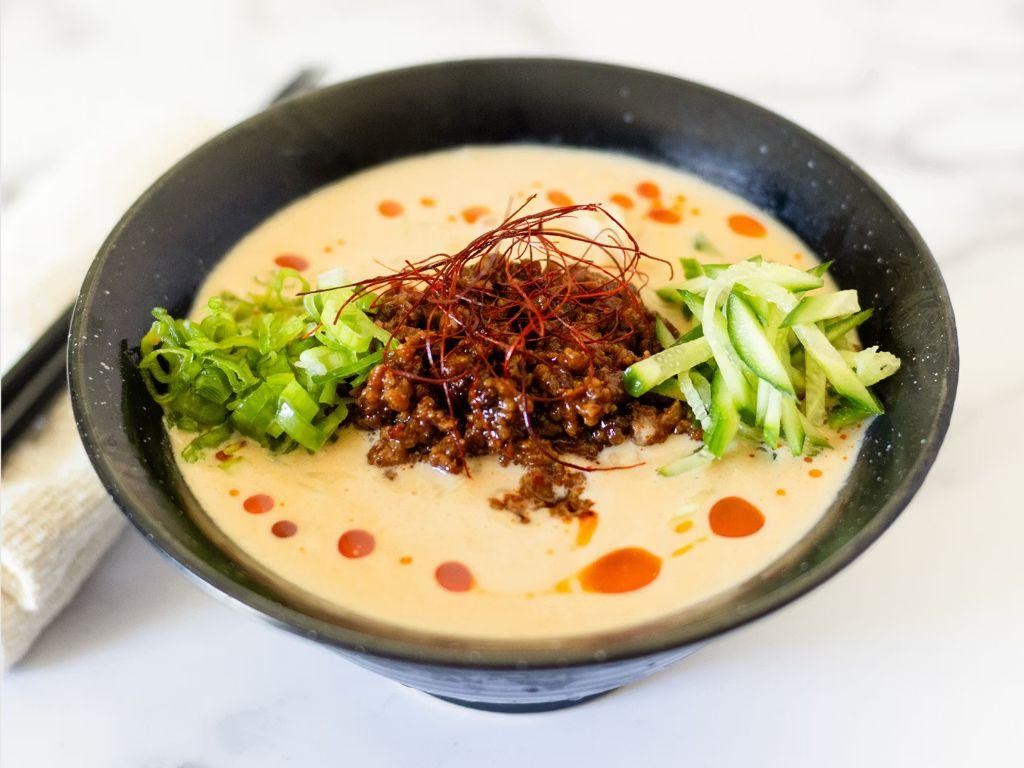
Lately, I’ve found myself craving the kind of warmth that seeps deep into your bones, the sort that only comes from a bowl of something truly comforting. Spicy Tantanmen Ramen has become my quiet kitchen companion on these reflective evenings, a dish that feels like a gentle, flavorful embrace after a long day. There’s something almost meditative about preparing each component, watching them come together in a symphony of spice and richness.
2
servings15
minutes28
minutesIngredients
– 8 ounces fresh ramen noodles (I always keep a package in the fridge for spontaneous cravings)
– 1/2 pound ground pork (the slightly fatty kind creates the most luxurious sauce)
– 2 tablespoons toasted sesame oil (this is my secret weapon for depth of flavor)
– 1 tablespoon doubanjiang (Chinese chili bean paste – I use the one with the red label)
– 4 cloves garlic, minced (freshly crushed releases the most aromatic oils)
– 1-inch piece ginger, grated (I keep mine frozen for easy grating)
– 4 cups chicken broth (homemade if you have it, but good quality store-bought works beautifully)
– 2 tablespoons soy sauce (I prefer the low-sodium variety to control saltiness)
– 1 tablespoon tahini (this creates such a lovely, creamy texture)
– 2 soft-boiled eggs (I like them at room temperature for easier peeling)
– 2 green onions, thinly sliced (the crisp green tops make such a fresh garnish)
– 1 teaspoon chili oil (adjust to your comfort level – I add an extra drizzle at the end)
Instructions
1. Heat the toasted sesame oil in a large pot over medium heat until it shimmers slightly.
2. Add the ground pork and cook for 5-7 minutes, breaking it apart with a wooden spoon until it’s browned and crumbly.
3. Stir in the doubanjiang, minced garlic, and grated ginger, cooking for 1 minute until fragrant – this blooming step really deepens the flavors.
4. Pour in the chicken broth and soy sauce, then bring the mixture to a gentle boil.
5. Reduce heat to low and simmer uncovered for 15 minutes to allow the flavors to meld together.
6. Whisk in the tahini until the soup becomes creamy and well-combined.
7. While the soup simmers, cook the ramen noodles in a separate pot of boiling water for exactly 3 minutes until al dente.
8. Drain the noodles immediately and divide them between two large bowls.
9. Carefully ladle the hot soup over the noodles, making sure to distribute the pork evenly.
10. Halve the soft-boiled eggs lengthwise and place one half in each bowl.
11. Sprinkle with sliced green onions and drizzle with chili oil to finish.
Knowing when to stop stirring the tahini is key – you’ll see the soup transform from separated to beautifully emulsified. Keep an eye on your ramen noodles during those 3 minutes; they continue cooking in the hot broth, so al dente is perfect. And don’t skip toasting your sesame oil – it makes all the difference in developing that nutty, complex base flavor. The soft egg yolk mingles with the rich, spicy broth in the most delightful way, while the chewy noodles provide the perfect textural contrast. Sometimes I like to serve it with extra chili oil on the side for those who want to turn up the heat even more.
Shio Ramen with Seaweed Garnish
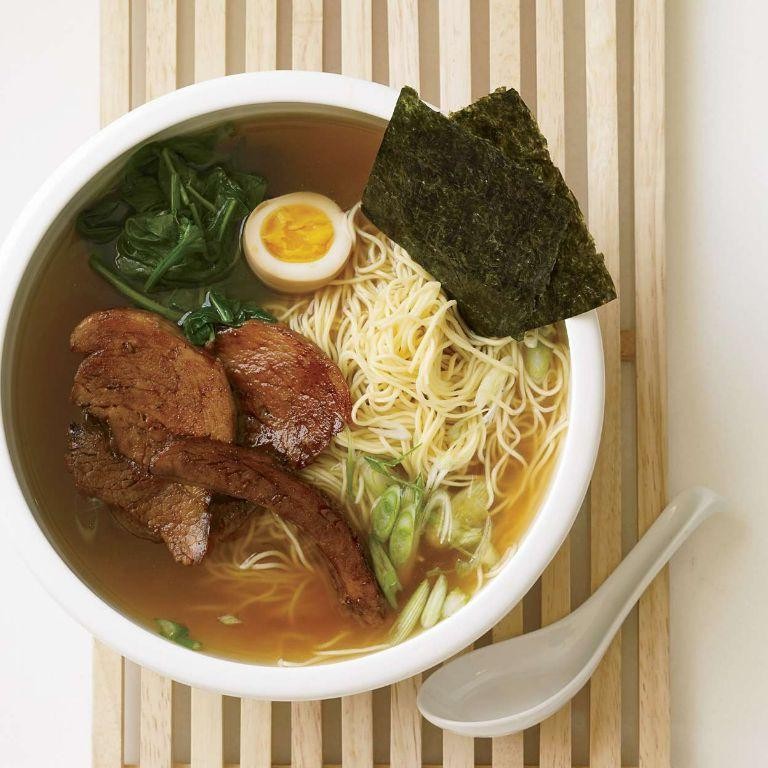
Nostalgia washes over me whenever I prepare this bowl, the steam carrying memories of quiet evenings and simple comforts. There’s something deeply soothing about the ritual of making shio ramen, each step a meditation that brings me back to myself. Today, I’m sharing my gentle version with you, complete with seaweed garnish that adds that perfect oceanic whisper.
2
servings15
minutes15
minutesIngredients
– 4 cups chicken broth (I prefer homemade, but good quality store-bought works beautifully)
– 8 oz fresh ramen noodles (dried works too, but fresh gives that perfect chew)
– 2 large eggs (I like them at room temperature for more even cooking)
– 2 tbsp soy sauce (the good, aged kind makes all the difference)
– 1 tsp sea salt (fine grain dissolves better in the broth)
– 2 sheets nori seaweed (toasted lightly for maximum flavor)
– 2 green onions (the crisp green parts add such freshness)
– 1 tbsp sesame oil (this is my secret for that nutty finish)
Instructions
1. Bring the chicken broth to a gentle simmer over medium heat, watching for small bubbles around the edges.
2. Add the sea salt and soy sauce to the simmering broth, stirring with a wooden spoon until fully dissolved.
3. Carefully lower the eggs into a separate pot of boiling water using a slotted spoon and cook for exactly 7 minutes.
4. Immediately transfer the eggs to an ice water bath and let them cool completely, about 5 minutes.
5. While eggs cool, cook the ramen noodles in boiling water according to package directions, usually 3-4 minutes until tender but firm.
6. Drain the noodles thoroughly in a colander, giving them a quick shake to remove excess water.
7. Peel the cooled eggs carefully, then slice them in half lengthwise with a sharp knife.
8. Thinly slice the green onions on a diagonal, creating pretty green ribbons.
9. Toast the nori sheets by quickly passing them over a gas flame for 3 seconds per side until slightly crisp.
10. Divide the hot broth between two large bowls, then add the drained noodles.
11. Arrange two egg halves in each bowl, yolk-side up for that beautiful presentation.
12. Drizzle ½ tablespoon of sesame oil over each bowl in a circular motion.
13. Top with sliced green onions and crumble the toasted nori over everything.
You’ll notice how the creamy egg yolk mingles with the clear, savory broth when you break into it. The noodles should have that perfect springy texture that makes each slurp so satisfying. Sometimes I like to add a squeeze of fresh lemon right at the end for a bright, unexpected twist.
Mazemen Ramen with Soy Sauce Drizzle
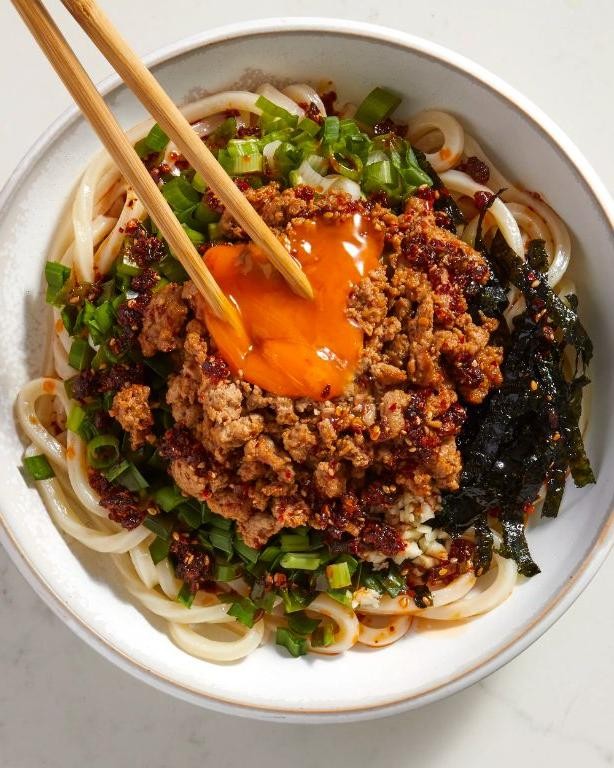
Mazemen ramen feels like a quiet conversation between noodles and sauce, a minimalist bowl that speaks volumes through its careful composition. My first encounter with this brothless wonder was on a rainy afternoon when I wanted something comforting yet light, and this soy-kissed version has become my go-to ever since. There’s something meditative in its simplicity, letting each ingredient shine without the distraction of a heavy soup base.
2
servings10
minutes4
minutesIngredients
– 2 packages fresh ramen noodles (I find refrigerated ones hold their chew better than dried)
– 2 tbsp soy sauce (use a naturally brewed one for deeper flavor)
– 1 tsp sesame oil (toasted variety adds a lovely nuttiness)
– 1 green onion, thinly sliced (I keep the white parts for cooking and greens for garnish)
– 1 soft-boiled egg (room temperature eggs peel more cleanly, in my experience)
– 1 tbsp neutral oil like canola (it doesn’t compete with the other flavors)
– 1 clove garlic, minced (freshly crushed releases the most aroma)
Instructions
1. Bring a large pot of water to a rolling boil over high heat.
2. Carefully add the fresh ramen noodles and cook for exactly 2 minutes, stirring once to prevent sticking.
3. Drain the noodles thoroughly in a colander, then immediately rinse under cold running water for 30 seconds to stop the cooking process.
4. Transfer the rinsed noodles to a medium bowl and toss with 1 tsp sesame oil to keep them from clumping.
5. Heat 1 tbsp neutral oil in a small skillet over medium-low heat until it shimmers, about 1 minute.
6. Add the minced garlic and cook for 45 seconds, stirring constantly, until fragrant but not browned.
7. Pour the hot garlic oil over the noodles, followed by 2 tbsp soy sauce, and toss everything together until well coated.
8. Divide the dressed noodles between two bowls, arranging them neatly.
9. Halve the soft-boiled egg lengthwise and place one half on each bowl of noodles.
10. Sprinkle the sliced green onions evenly over both servings.
Zesty with garlic and rich from the egg yolk, this mazemen delivers a satisfying chew against the slick noodles. Try serving it with a side of quick-pickled vegetables or crumbling nori over the top for extra texture—it’s wonderfully adaptable to whatever you have on hand.
Vegetarian Ramen with Tofu and Mushrooms
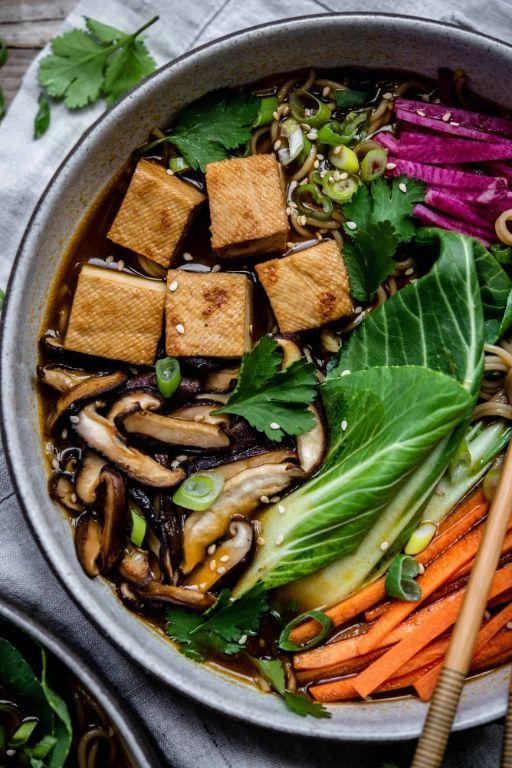
Holding this warm bowl between my hands feels like autumn itself—the steam rising carries scents of earth and comfort, a quiet moment to pause from the day’s rush. There’s something deeply nourishing about building flavors slowly, layer by layer, until they come together in this vegetarian ramen that feels both familiar and new. Today, I’m sharing how I make mine with tofu and mushrooms, a version I return to when I need something gentle yet satisfying.
2
bowls15
minutes27
minutesIngredients
– 2 tbsp toasted sesame oil (I love the nutty aroma it brings)
– 8 oz firm tofu, pressed and cubed (pressing removes excess water for better browning)
– 4 oz shiitake mushrooms, sliced (their earthy flavor is key here)
– 4 cloves garlic, minced (freshly minced makes all the difference)
– 1 tbsp grated ginger (I keep a knob in the freezer for easy grating)
– 4 cups vegetable broth (homemade if you have it, but store-bought works too)
– 2 tbsp soy sauce (I use reduced-sodium to control saltiness)
– 1 tbsp rice vinegar (it brightens the broth beautifully)
– 2 packs (about 6 oz) ramen noodles, seasoning packets discarded
– 2 soft-boiled eggs, peeled (I prefer room temp eggs for even cooking)
– 2 green onions, thinly sliced (for a fresh finish)
Instructions
1. Heat 1 tbsp toasted sesame oil in a large pot over medium heat for 1 minute until shimmering.
2. Add cubed tofu and cook for 5–7 minutes, turning occasionally, until golden brown on all sides.
3. Transfer tofu to a plate and set aside.
4. Add remaining 1 tbsp sesame oil to the same pot.
5. Add sliced shiitake mushrooms and cook for 4–5 minutes, stirring occasionally, until they release their liquid and begin to brown.
6. Stir in minced garlic and grated ginger and cook for 1 minute until fragrant.
7. Pour in 4 cups vegetable broth and 2 tbsp soy sauce, scraping any browned bits from the bottom of the pot.
8. Bring broth to a gentle boil over high heat, then reduce heat to low and simmer uncovered for 10 minutes to let flavors meld.
9. Stir in 1 tbsp rice vinegar.
10. Add ramen noodles to the simmering broth and cook for 3 minutes, stirring occasionally, until tender but still firm.
11. Divide noodles and broth between two bowls.
12. Top each bowl with reserved tofu, 1 soft-boiled egg halved lengthwise, and sliced green onions.
Just before serving, I like to drizzle a little extra sesame oil over the top—it deepens the aroma and makes each spoonful feel luxurious. The soft noodles soak up the savory broth, while the tofu adds substance and the mushrooms lend an earthy depth that makes this bowl truly comforting. Sometimes I add a sprinkle of sesame seeds or a dash of chili oil for those who want a bit of heat.
Karaage Chicken Ramen Bowl
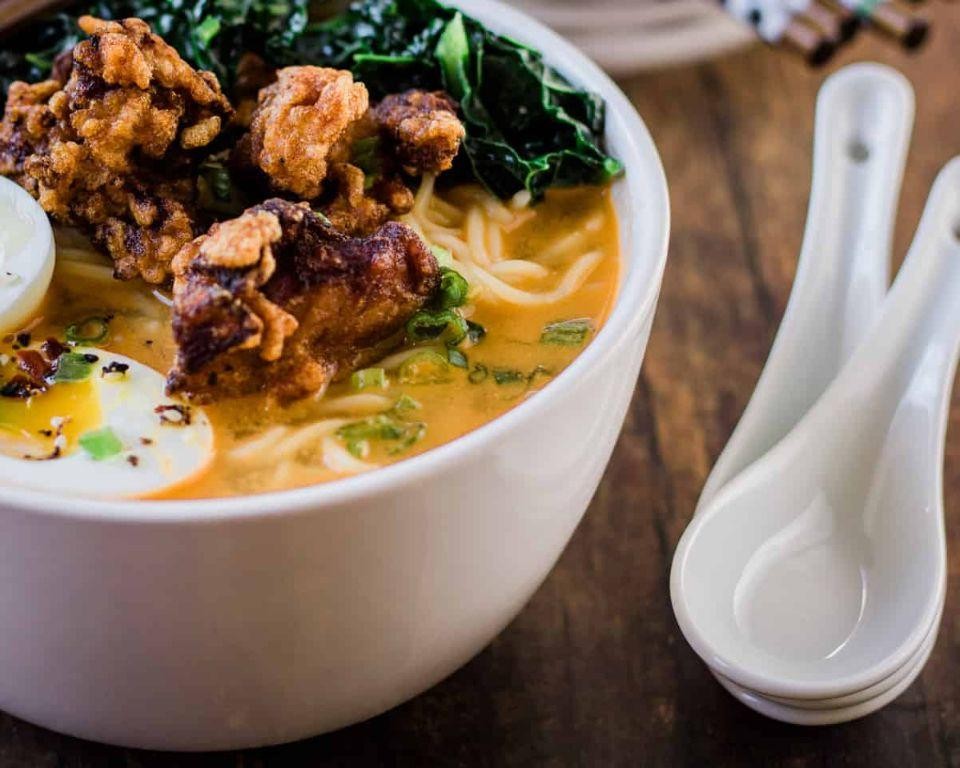
Often, when the evening light turns golden and the world outside grows quiet, I find myself craving the kind of meal that feels like a warm embrace—a perfect karaage chicken ramen bowl, where crispy meets comforting in the most delightful way.
2
portions20
minutes12
minutesIngredients
– 2 boneless, skinless chicken thighs, cut into 1-inch pieces (I find thighs stay juicier than breasts)
– 1/4 cup soy sauce (I always use the reduced-sodium kind for better control)
– 2 tbsp cornstarch (this creates that signature crispy crust)
– 1 tbsp grated fresh ginger (the aroma alone lifts my spirits)
– 2 cloves garlic, minced (freshly minced makes all the difference)
– 2 cups chicken broth (homemade if you have it, but a good store-bought works too)
– 2 portions ramen noodles (I discard the seasoning packets and use the noodles alone)
– 1 soft-boiled egg (I prefer room temperature eggs for more even cooking)
– 2 tbsp vegetable oil (for frying at just the right temperature)
– 1 green onion, thinly sliced (for that fresh, colorful finish)
Instructions
1. In a medium bowl, combine the chicken pieces, soy sauce, cornstarch, grated ginger, and minced garlic, stirring until each piece is evenly coated.
2. Let the chicken marinate at room temperature for 15 minutes—this brief rest allows the flavors to penetrate deeply.
3. Heat the vegetable oil in a large skillet over medium-high heat until it reaches 350°F, testing with a thermometer for accuracy.
4. Carefully place the marinated chicken pieces in the hot oil in a single layer, ensuring they don’t touch to prevent steaming.
5. Fry the chicken for 4-5 minutes, flipping once halfway through, until the exterior is golden brown and crispy.
6. Transfer the fried chicken to a paper towel-lined plate to drain excess oil, which helps maintain its crunch.
7. In a separate pot, bring the chicken broth to a gentle boil over medium heat.
8. Add the ramen noodles to the boiling broth and cook for 3 minutes, stirring occasionally to prevent sticking.
9. While the noodles cook, carefully peel the soft-boiled egg and slice it in half lengthwise.
10. Divide the cooked noodles and broth between two bowls, then top with the crispy chicken, soft-boiled egg halves, and sliced green onion.
A final drizzle of any remaining marinade over the chicken enhances the savory depth, while the soft egg yolk mingles with the broth for a rich, velvety texture. The contrast between the crunchy karaage and the tender noodles makes each bite a small revelation, especially when enjoyed with chopsticks to savor every component slowly.
Ginger-Sesame Ramen with Soft-Boiled Egg
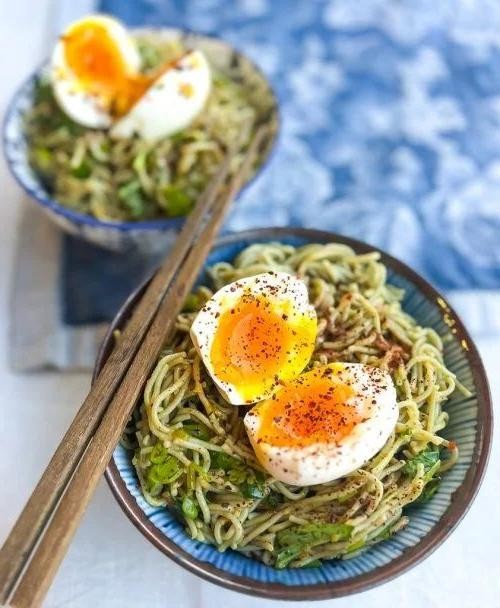
Sometimes, on quiet afternoons when the light slants just so through the kitchen window, I find myself craving the kind of meal that feels like a warm embrace—a bowl of ginger-sesame ramen, its steam carrying whispers of comfort and spice.
2
servings10
minutes23
minutesIngredients
– 2 large eggs, which I always let sit on the counter until they lose their chill—it helps prevent cracking when they meet the hot water.
– 4 ounces of dried ramen noodles, the kind that come in neat little blocks, waiting to unfurl.
– 1 tablespoon of toasted sesame oil, my favorite for its deep, nutty aroma that fills the whole kitchen.
– 1 teaspoon of freshly grated ginger, because the jarred stuff just doesn’t sing the same way.
– 2 cups of low-sodium vegetable broth, which I find gives a cleaner, more delicate base than chicken broth here.
– 1 tablespoon of soy sauce, the good, aged kind that’s dark and complex.
– 1 green onion, thinly sliced—I use both the crisp white and the tender green parts for a bit of contrast.
– 1 teaspoon of sesame seeds, toasted until they’re just golden and fragrant.
Instructions
1. Fill a small saucepan with enough water to cover the eggs and bring it to a rolling boil over high heat.
2. Gently lower the eggs into the boiling water using a slotted spoon and set a timer for 7 minutes for a perfectly set white and a jammy, soft yolk.
3. While the eggs cook, prepare an ice bath by filling a medium bowl with cold water and ice cubes to stop the cooking process immediately.
4. Transfer the boiled eggs to the ice bath and let them cool for at least 5 minutes before peeling—this makes the shells slip off easily.
5. In a separate medium pot, heat the toasted sesame oil over medium heat until it shimmers, about 30 seconds.
6. Add the freshly grated ginger and sauté for 1 minute, stirring constantly, until it becomes fragrant but not browned.
7. Pour in the low-sodium vegetable broth and soy sauce, then bring the mixture to a gentle simmer over medium-high heat.
8. Reduce the heat to low, cover the pot, and let the broth steep for 10 minutes to allow the flavors to meld together beautifully.
9. Meanwhile, cook the dried ramen noodles in a separate pot of boiling water according to the package directions, usually about 4 minutes, until tender but still springy.
10. Drain the noodles thoroughly and divide them evenly between two warm bowls.
11. Ladle the hot ginger-sesame broth over the noodles, ensuring each bowl gets an equal amount of the fragrant liquid.
12. Halve the peeled soft-boiled eggs lengthwise and place one half in each bowl, yolk-side up.
13. Garnish with the thinly sliced green onion and a sprinkle of toasted sesame seeds for a final touch of color and crunch.
Upon lifting the spoon, the silky broth clings to the noodles, each slurp revealing layers of earthy sesame and the gentle heat of ginger. The soft-boiled egg, with its custardy yolk, melts into the soup, enriching it further, while the green onion offers a crisp, fresh counterpoint. For a different twist, try adding a handful of baby spinach to the hot broth just before serving—it wilts beautifully and adds a vibrant green hue.
Hokkaido Ramen with Sweet Corn
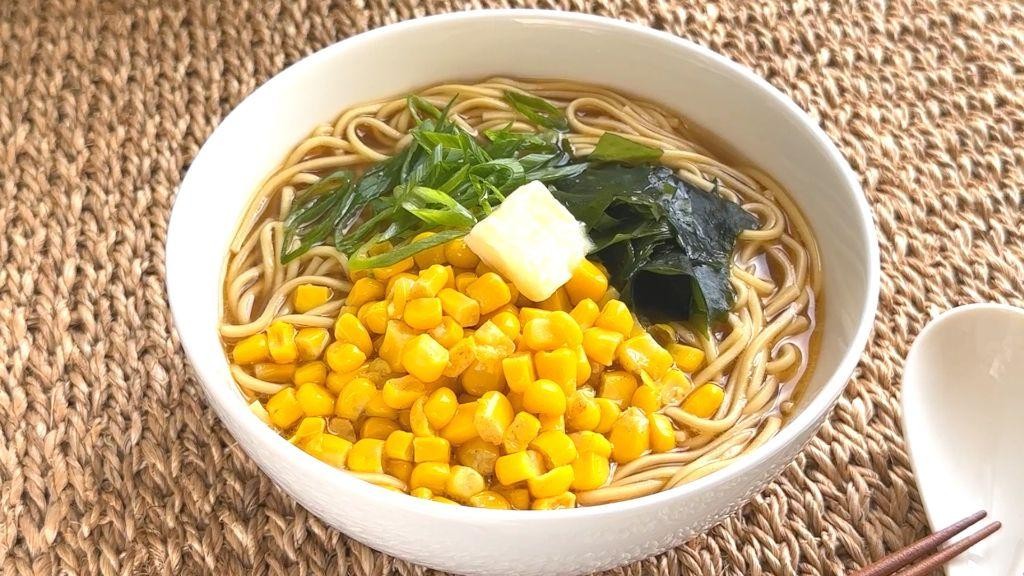
Venturing into the kitchen on this quiet afternoon, I find myself craving the kind of comfort that only comes from a bowl of Hokkaido ramen with sweet corn—a dish that feels like a warm embrace after a long day, its gentle flavors unfolding slowly with each spoonful.
2
servings10
minutes10
minutesIngredients
- 4 cups chicken broth (homemade if you have it—it makes all the difference)
- 2 packs fresh ramen noodles (I always keep these in the pantry for quick meals)
- 1 cup sweet corn kernels (frozen works fine, but fresh-off-the-cob is heavenly)
- 2 soft-boiled eggs (I prefer room temperature eggs here for even cooking)
- 2 tbsp soy sauce (use the low-sodium kind if you’re watching salt)
- 1 tbsp unsalted butter (it adds a lovely richness to the broth)
- 1 tsp sesame oil (toasted sesame oil is my go-to for that nutty finish)
- 2 green onions, thinly sliced (save the green parts for garnish)
- 4 slices chashu pork (store-bought is fine, but I sometimes braise my own on weekends)
Instructions
- Pour 4 cups of chicken broth into a medium saucepan and heat over medium-high heat until it reaches a gentle simmer, about 180°F.
- Add 1 cup of sweet corn kernels to the simmering broth and cook for 3 minutes, stirring once, until the corn is tender but still crisp.
- Stir in 2 tbsp soy sauce and 1 tbsp unsalted butter until the butter melts completely and the broth is lightly golden.
- Reduce the heat to low and let the broth infuse for 5 minutes, keeping it just below a simmer to preserve the delicate flavors.
- Fill a separate pot with water and bring to a rolling boil over high heat, then add 2 packs of fresh ramen noodles and cook for exactly 2 minutes, stirring occasionally to prevent sticking.
- Drain the noodles immediately in a colander and rinse under cold running water for 10 seconds to stop the cooking process—this keeps them springy.
- Divide the cooked noodles evenly between two large bowls, then ladle the hot broth and corn mixture over the noodles.
- Gently place 2 soft-boiled eggs, halved lengthwise, into each bowl, yolk-side up, so they nestle into the broth.
- Arrange 4 slices of chashu pork on top of the noodles, tucking them slightly under the broth to warm through.
- Drizzle 1 tsp sesame oil over each bowl in a circular motion for an aromatic finish.
- Sprinkle thinly sliced green onions over the top as a fresh garnish.
Silky noodles soak up the buttery broth, while the sweet corn bursts with juiciness against the savory pork. Serve it with a side of pickled ginger for a bright contrast, or simply enjoy it as is, letting the steam warm your face with every comforting slurp.
Chashu Ramen with Rich Broth
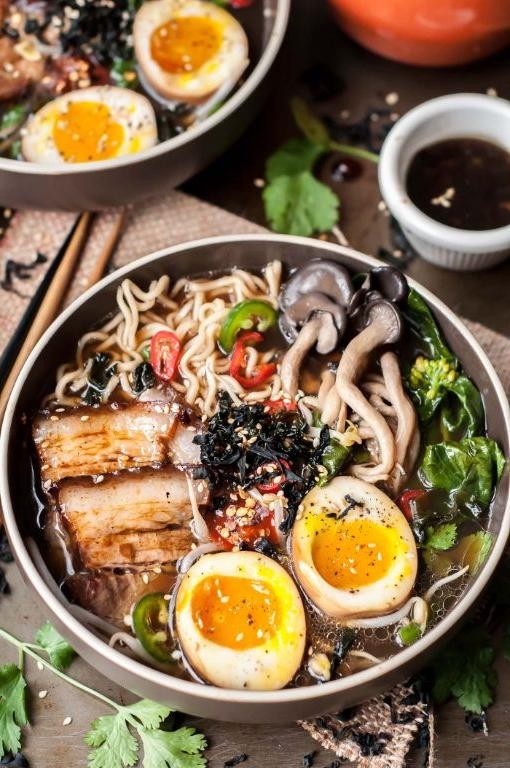
Dipping my spoon into the steaming bowl feels like uncovering a secret I’ve been keeping from myself all day, the rich aroma of pork and soy wrapping around me like a well-worn blanket on this unexpectedly crisp afternoon. There’s something deeply comforting about watching the noodles swirl in that dark, glossy broth, each ingredient settling into its place like pieces of a puzzle I didn’t know needed solving until now.
4
servings25
minutes185
minutesIngredients
– 2 lbs pork belly, rolled and tied with kitchen twine (I find the thicker cuts hold their shape better during braising)
– 1 cup soy sauce (I always reach for the naturally brewed kind—it makes all the difference)
– 1/2 cup mirin (this sweet rice wine balances the saltiness so beautifully)
– 1/4 cup brown sugar (packed firmly, the way my grandmother taught me)
– 6 cloves garlic, gently smashed (their papery skins release the most wonderful scent)
– 1 inch fresh ginger, sliced into coins (I keep the peel on for extra earthy notes)
– 4 large eggs (I prefer room temperature ones—they’re less likely to crack when boiling)
– 4 packs fresh ramen noodles (about 3.5 oz each, the springy texture is worth seeking out)
– 8 cups chicken broth (homemade if you have it, but a good quality store-bought works wonderfully)
– 2 green onions, thinly sliced (the crisp green tops make such a lovely garnish)
– 1 tbsp sesame oil (toasted, for that nutty finish I can’t resist)
Instructions
1. Preheat your oven to 275°F—low and slow is key for tender chashu.
2. Place the tied pork belly in a Dutch oven or oven-safe pot with a tight-fitting lid.
3. Pour soy sauce, mirin, and brown sugar directly over the pork.
4. Scatter smashed garlic cloves and ginger slices around the pork in the pot.
5. Cover the pot and braise in the preheated oven for 3 hours exactly—this precise timing gives the fat time to render without drying out the meat.
6. While the pork braises, place eggs in a saucepan and cover with cold water by 1 inch.
7. Bring water to a rolling boil over high heat, then immediately remove from heat, cover, and let stand for 7 minutes for perfectly jammy yolks.
8. Transfer eggs to an ice bath and let cool completely before peeling carefully.
9. Remove pork from oven after 3 hours and let rest until cool enough to handle, then slice against the grain into 1/2-inch thick pieces.
10. In a separate large pot, bring chicken broth to a gentle simmer over medium heat.
11. Cook ramen noodles in boiling water according to package directions, usually about 2-3 minutes for fresh noodles.
12. Divide hot noodles between four bowls and ladle simmering broth over them.
13. Arrange 2-3 slices of chashu and one halved soft-boiled egg in each bowl.
14. Drizzle each serving with 3/4 teaspoon of toasted sesame oil for that distinctive nutty aroma.
15. Garnish generously with sliced green onions. Creating this bowl feels like composing a landscape where each element maintains its integrity while contributing to the whole. The noodles provide springy resistance against the spoon, while the chashu melts at the slightest pressure, and that rich broth ties everything together with its deep umami notes. Sometimes I like to add a sprinkle of togarashi pepper for warmth, or nestle a few corn kernels beside the egg for sweet contrast against the savory broth.
Ramen Noodles with Spicy Peanut Sauce

Often, when the evening light turns golden and the world outside grows quiet, I find myself craving something that feels both comforting and adventurous. On nights like these, I turn to a bowl of ramen noodles swirled with a spicy peanut sauce—a dish that warms from the inside out and invites you to slow down, just for a moment.
2
servings5
minutes3
minutesIngredients
– 2 (3-ounce) packs of instant ramen noodles, seasoning packets set aside for another use—I love the springy texture they bring.
– 1/4 cup creamy peanut butter, the kind that’s just peanuts and salt, which gives the sauce a rich, nutty depth.
– 2 tablespoons soy sauce, my pantry staple for that savory umami kick.
– 1 tablespoon rice vinegar, which I always keep chilled for a bright, tangy lift.
– 1 teaspoon toasted sesame oil, drizzled in at the end for its warm, nutty aroma.
– 1/2 teaspoon red pepper flakes, adjusted to your heat preference—I like a gentle tingle.
– 1/4 cup hot water, straight from the kettle, to help everything blend smoothly.
– 1 green onion, thinly sliced, for a fresh, crisp finish that I chop right before serving.
Instructions
1. Bring 4 cups of water to a rolling boil in a medium saucepan over high heat.
2. Add the ramen noodles to the boiling water and cook for exactly 3 minutes, stirring occasionally to prevent sticking.
3. While the noodles cook, combine the peanut butter, soy sauce, rice vinegar, sesame oil, and red pepper flakes in a small bowl.
4. Gradually whisk in the hot water until the sauce is smooth and pourable, with no lumps remaining—this ensures a velvety texture.
5. Drain the cooked noodles thoroughly in a colander, shaking gently to remove excess water.
6. Return the drained noodles to the empty saucepan off the heat.
7. Pour the peanut sauce over the noodles and toss gently with tongs until every strand is evenly coated.
8. Tip: Let the noodles sit for 1 minute to absorb the flavors, which deepens the taste without overcooking.
9. Divide the sauced noodles between two bowls and top with the sliced green onion.
10. Tip: Serve immediately while warm, as the noodles can firm up if left too long.
11. Tip: For extra crunch, sprinkle with toasted sesame seeds or crushed peanuts if you have them on hand.
A final swirl of the fork reveals noodles cloaked in a creamy, peanutty embrace, with just enough heat to linger on the tongue. The green onions add a fresh contrast, making each bite a balance of smooth and crisp. Try pairing it with a simple cucumber salad or enjoy it straight from the bowl, curled up on the couch as dusk settles in.
Yuzu Kosho Ramen with Citrus Zest
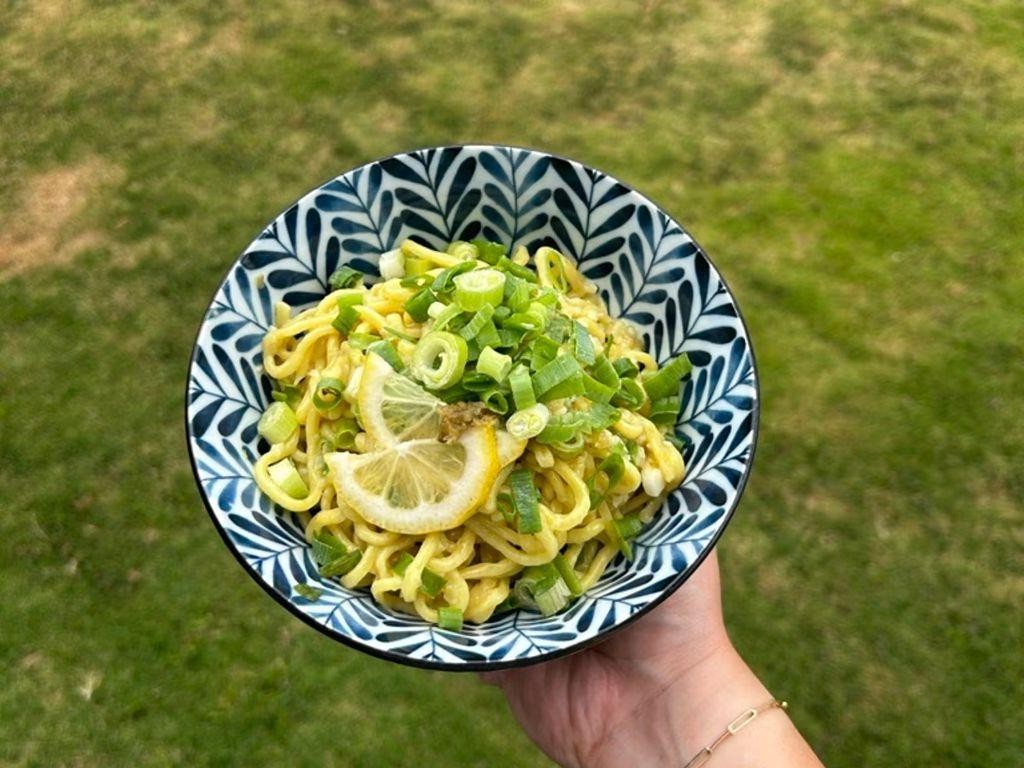
Kind of quietly, on days when the light shifts just so, I find myself craving this particular bowl—a gentle dance between the bright zing of citrus and the deep warmth of yuzu kosho, all cradled in a rich, steamy broth. It’s a recipe that feels like a slow, thoughtful exhale, perfect for those moments when you want to cook with intention rather than hurry. Each spoonful brings a little lift, a small comfort woven from zest and spice.
2
servings10
minutes22
minutesIngredients
– 4 cups chicken broth (homemade if you have it, but a good store-bought one works beautifully too)
– 2 tbsp yuzu kosho paste (I like the green one for its fresh, peppery kick)
– 1 tbsp soy sauce (use a naturally brewed one for deeper flavor)
– 2 tsp fresh yuzu zest, or lemon zest as a sunny substitute
– 8 oz fresh ramen noodles (dried work fine, but fresh ones have that lovely springy texture)
– 2 soft-boiled eggs, peeled (I let them sit out for 10 minutes to take the chill off before peeling)
– 2 green onions, thinly sliced (the green parts add a crisp, clean finish)
– 1 tbsp toasted sesame oil (it’s my secret for a nutty, aromatic base)
Instructions
1. Pour the chicken broth into a medium saucepan and place it over medium heat.
2. Heat the broth until it reaches a gentle simmer, with small bubbles just breaking the surface—this usually takes about 5–7 minutes.
3. Stir in the yuzu kosho paste, soy sauce, and toasted sesame oil until fully combined and the broth is uniformly tinted.
4. Reduce the heat to low, cover the saucepan, and let the broth steep for 10 minutes to allow the flavors to meld together.
5. While the broth steeps, bring a separate pot of water to a rolling boil over high heat for the noodles.
6. Add the fresh ramen noodles to the boiling water and cook for 3–4 minutes, or until they are tender but still slightly chewy.
7. Drain the noodles immediately in a colander and rinse briefly under cool water to stop the cooking process—this helps them stay springy.
8. Divide the cooked noodles evenly between two serving bowls.
9. Ladle the hot broth over the noodles, ensuring each bowl gets an equal amount of liquid.
10. Halve the soft-boiled eggs lengthwise and place one half in each bowl, yolk-side up.
11. Sprinkle the fresh yuzu zest and sliced green onions evenly over the top of each bowl.
12. Serve immediately while the broth is hot and the aromas are most vibrant. Really, the first bite is a quiet revelation—the broth wraps around the noodles with a velvety warmth, while the yuzu zest pops like little bursts of sunshine against the gentle heat of the kosho. I love serving this with a extra sprinkle of zest on the side, letting each person adjust the brightness to their liking, and maybe a crisp, chilled salad to contrast the steam.
Conclusion
Embark on a delicious journey through Japan’s beloved comfort food with these 35 authentic ramen recipes! Whether you’re craving rich tonkotsu or light shoyu, there’s a bowl here to satisfy every palate. We’d love to hear which recipes become your new favorites—drop a comment below and don’t forget to share this roundup on Pinterest so fellow ramen lovers can discover these irresistible dishes too!